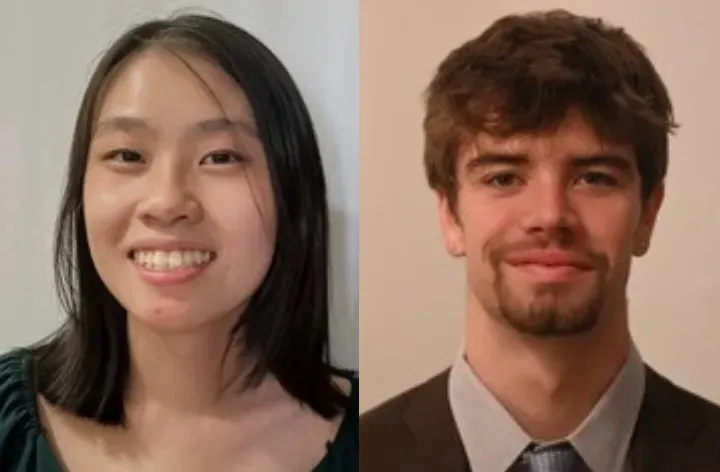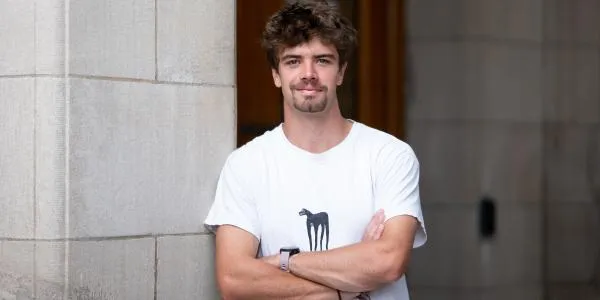
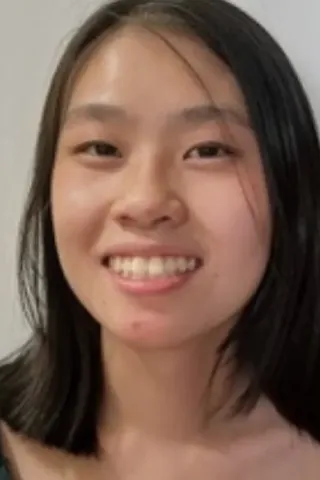
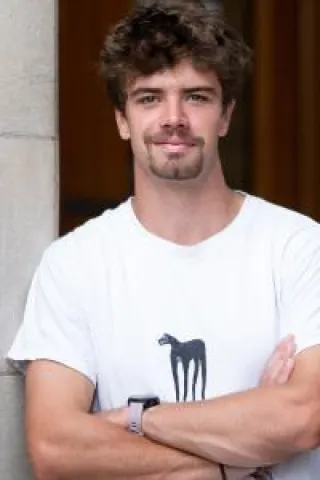
Meet Calvin Crossland and Jennifer Ong, our two 2026 Living History Scholars. They reflect on their experiences in the program, the lessons they took away, and their tips for future applicants.
|
|
| Jennifer Ong | Calvin Crossland |
| Spring 2026 | May 2027 |
| Documentary short about two well-known St. Louis cemeteries: Bellefontaine and Greenwood | East African experiences during World War II and the lack of commemoration given to veterans |
Q&A
Please describe your project:
Ong: "I made a documentary about two cemeteries, looking into the way that the sites and those who rest there were being commemorated. I completed this project by interviewing historians, connecting with coordinators and volunteers at these sites, digging through archives, and conducting on-site walk-throughs/investigations."
Crossland: "My project is a 4-episode podcast series about the East African experience in WWII and the lack of commemoration given to veterans. My research process began with research on the topic, including scholarly work, other media, and interviews done with veterans. Professor Parsons and Victoria Mutheu, a colleague in Kenya, both conducted interviews with veterans and their families that provided much of the material for the project. I proceeded with writing the script for an episode, which Professor Parsons supported by providing feedback. After writing the script, I moved onto recording and editing. At this point, I received help from WashU grad Kemi Aladesuyi, who has worked as an editor and producer on professional podcasts and provided feedback on my work. Based on that feedback, I made further edits to the script and re-recorded."
What was your favorite part about being a Living History Scholar?
Ong: "I really enjoyed being able to connect with the St. Louis community in a new way. Seeing St. Louis through a historical lens was really inspiring."
Crossland: "Having the autonomy to create my own project in which I had creative decision-making power and get to see a produced result in a different form of media."
How did participating in this program shape your understanding of history or the way you approach research?
Ong: "Since I was double-majoring in science and History, I was used to finding clear or logical answers to problems. However, through the Living History project, I learned to grapple with conflicting histories/narratives while conducting research and came to understand that incompatible narratives can coexist."
Crossland: "It helped me understand that even with access to great sources, understanding history and what could be considered historical fact is a difficult endeavor and becomes even more difficult when you try and share that story to a broader audience. It helped me understand the power a historian can have in dissecting and re-telling new histories."
What was the most challenging aspect of completing your project, and what did you learn from it?
Ong: "The most challenging part was putting together a cohesive narrative from all the pieces that I gathered. I learned that historical research isn't cohesive or straightforward."
Crossland: "Making the academic project engaging to a wide audience and basically "not boring" was a challenging aspect of completing this project. Writing a script for a podcast and what you should say to make an engaging podcast is different than writing an essay for class. Making that adjustment was difficult, but taught me a different way of writing, and taught me to find a story to stick with to make a broader argument, because that story is how the podcast is engaging."
What tips or advice would you give students who are considering applying for this program?
Ong: "Definitely do it! When drafting your proposal, reach out to professors to get input on your ideas. It is helpful to consider a variety of perspectives and incorporate feedback so that when you start a project, you have a clear direction of where to go."
Crossland: "I would suggest to students that it is better to do a smaller project well than to try and take on a much larger one that you may not have the bandwidth for. Not only will your product be better, but you will likely gain more from the process. Find a topic that you are interested in and can have fun learning about!
LEARN MORE
The Living History Scholars Initiative supports undergraduate students in exploring history through independent projects that connect research with various forms of learning, interpretation, and community engagement. Students work individually or in small groups to develop projects that may include community partnerships, digital media, historical storytelling, archives, and other innovative approaches to understanding the past. Each spring, scholars share the results of their work with students, faculty, and the broader community at the department’s annual “We’re Making History” Gala.
Applications for the Spring 2027 Living History Scholars Initiative are due November 13, 2026. For more information and application details, visit the Living History Scholars Initiative webpage.