
Spring 2027 Undergraduate Courses
Introduction to Modern European History
Introduction to Modern European History
The history of Europe since 1500 is a remarkable array of contradictions: freedom and fascism; democracy and imperialism; industrialization and Romanticism; international capitalism and fervent nationalism; social change and scientific racism. What produced these developments in European social, economic, and political spheres and how did these different currents diverge and converge? How did European developments affect global actors and vice versa? What are the consequences for our own time of these contradictory aspects of Europe's modernization? This course satisfies the Introductory Survey requirement for the history major and minor.
HISTORY 1020
Lecture: Mon/Wed | 11:00 AM - 11:50 AM
Discussions Available For:
Thur | 9:00 AM - 9:50 AM
Thur | 3:00 PM - 3:50 PM
Instructor: Anne Schult
First Year Seminar: Global Histories of Science and Knowledge
First Year Seminar: Global Histories of Science and Knowledge
What makes a scientist a scientist? What is science? What are the social and cultural processes that have rendered science its meaning? This first-year seminar is an introduction to the global histories of science and knowledge, focusing especially on modern science's dynamic relationship with colonial rule, decolonization, indigenous or local knowledge traditions, and Cold War scientific internationalism. The course examines a wide range of historical, sociological, and anthropological materials and methods in order to trace the everyday workings of different scientific disciplines within a "living laboratory," which are a series of spaces and sites that produce knowledge. These also happen to be spaces that are conventionally not viewed as normative scientific spaces, but spaces where cross-cultural contact produced knowledge (i.e., early modern philosophical, brokered and subaltern, cartographic, mechanical, astral, environmental knowledge). We will trace the uneven and "indetermined" progression of this knowledge across the Global South to understand how these ideas were made, circulated, resisted, and changed over time not just in Europe, but in Africa, East Asia, the Middle East, and South Asia. Given the interconnected nature of world history, students will also acquire tools to understand themes such as colonization, modernization, democracy, and social change critically engaged with categories of race, gender, and class.
HISTORY 1110
Mon/Wed | 2:30 PM - 3:50 PM
Instructor: Marjan Wardaki
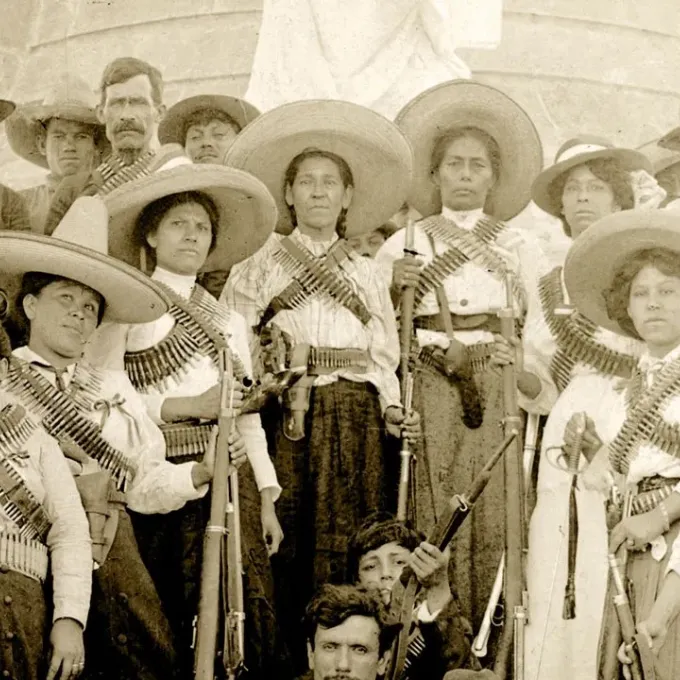
First Year Seminar: Angels, Prostitutes and Chicas Modernas: Women in Latin American History
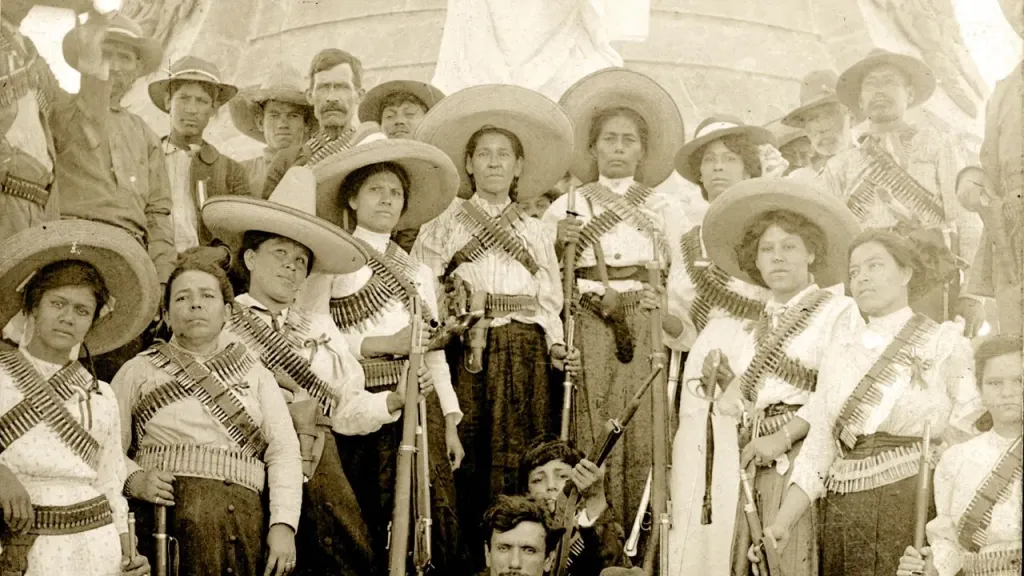
Angels, Prostitutes and Chicas Modernas: Women in Latin American History
Angels, Prostitutes and Chicas Modernas: Women in Latin American History
Women have been active players in the construction of Latin American nations. In the last two decades, leading scholars in the field have taken up the challenge of documenting women's participation. This research explosion has produced fruitful results to allow for the development of specialized courses. This course looks at the nation building process through the lens of Latin American women. Students will examine the expectations, responsibilities and limitations women confronted in their varied roles from the Wars of Independence to the social revolutions and dictatorial regimes of the twentieth century. Besides looking at their political and economic lives, students will explore the changing gender roles and relations within marriage and the family, as well as the changing sexual and maternal mores.
HISTORY 1121
Mon | 3:00 PM - 5:50 PM
Instructor: Diana Montano
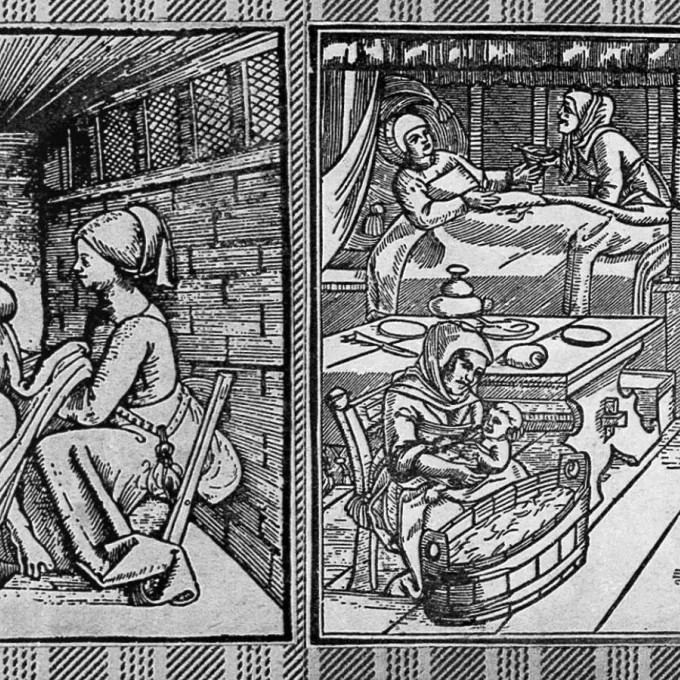
Health and Disease in World History
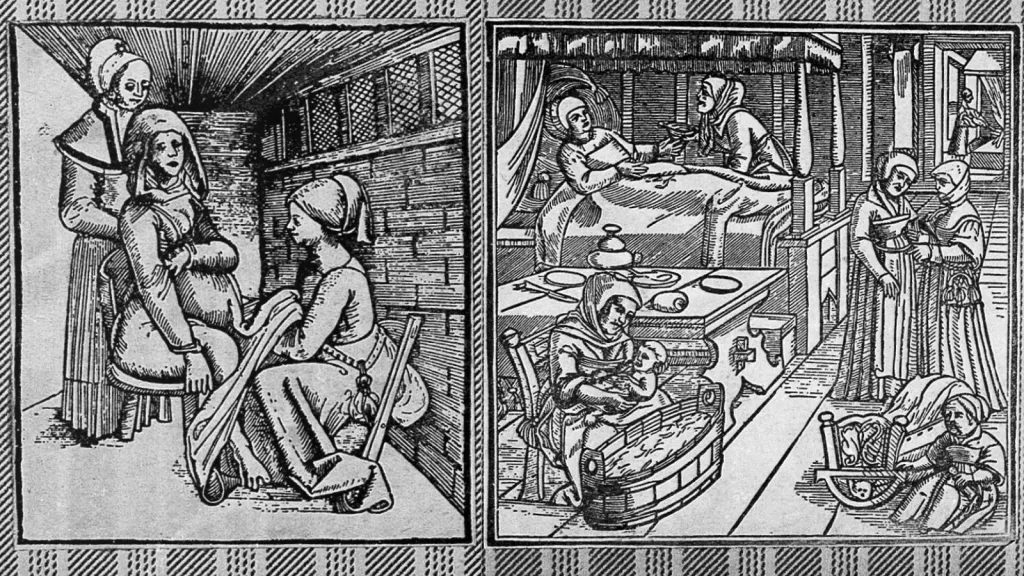
Health and Disease in World History
Health and disease are universal human experiences, yet vary profoundly across time and place. Extending from ancient times to the present, this course surveys that variety from a global perspective. We will explore medical traditions from around the world, then examine how these responded to major epidemic diseases such as the Black Death. We will study the globalization of disease and the emergence of scientific medicine after 1450, then turn to the interrelated histories of health and disease in the modern era. Throughout, we will attend carefully to how the biological aspects of health and disease have shaped world history, while at the same time exploring the powerful mediating role of social, cultural, economic, and political factors--from religious beliefs and dietary practices to inequality, poverty, empire, and war--in determining the myriad ways in which health and disease have been experienced and understood. Introductory course to the major and minor.
HISTORY 1151
Mon/Wed | 11:00 AM - 11:50 AM
Discussions Available For:
Fri | 11:00 AM - 11:50 AM
Fri | 12:00 PM - 12:50 PM
Fri | 3:00 PM - 3:50 PM
Instructor: Christina Ramos

First Year Seminar: CHINA AND THE WORLD AFTER MAO
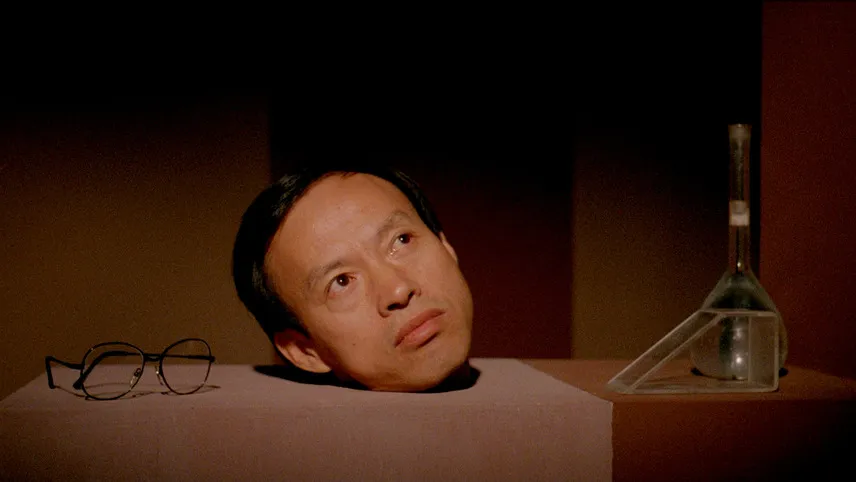
First Year Seminar: CHINA AND THE WORLD AFTER MAO
What happened to China and the world after Mao? This seminar examines the transformation of the People’s Republic from the final years of Maoism to the present through situating it within a global context of economic liberalization, rampant globalization, and more recently, an authoritarian turn. Using a variety of sources, from television and film to oral histories, memoirs, and documentaries, we will explore some of the major transformations in China since the 1970s: debates over economic reform, the one-child policy, the Tiananmen protests, China’s integration into global capitalism, the rise of Xi Jinping, and questions of ethnicity and territorial sovereignty. Grounding our conversations in both global entanglements and the lived experiences of the people, we will ask what “reform” meant, who benefited from it, who lost, and how China’s transformation reshaped the entire world in the past fifty years.
HISTORY 1247
Mon/Wed | 10:00 AM - 11:20 AM
Instructor: Ulug Kuzuoglu
Topics in History: (Indigenous-Settler Relations in the U.S.)
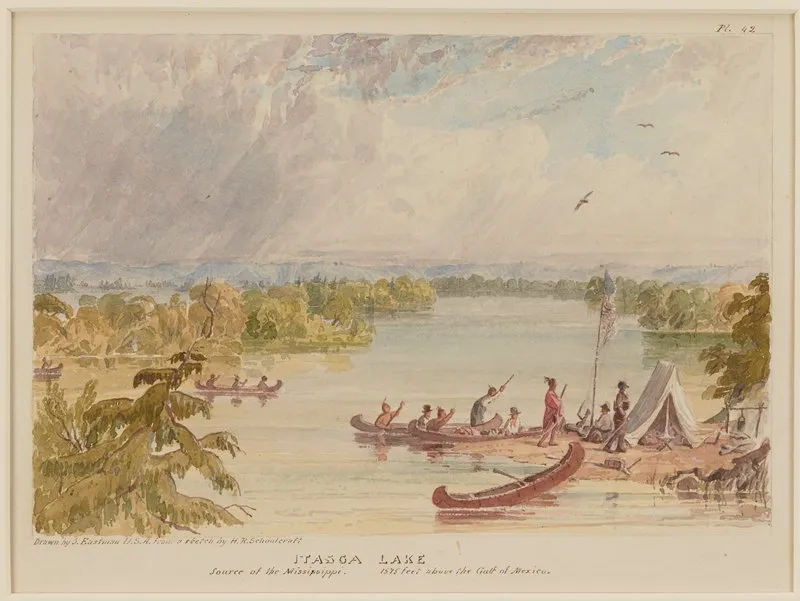
Topics in History: (Indigenous-Settler Relations in the U.S.)
This course introduces students to the relations which Indigenous Americans and Native Hawaiians have had with European and Euro-American colonizers of the United States. We will focus on three concepts—sovereignty, genocide, and citizenship—through instances of historical violence, diplomacy, and exploitation ranging from the sixteenth century to the present. Students will explore the ethical decisions Indigenous peoples made to exercise self-determination, the political choices settlers made to foster the expansion of the United States, and the laws and governmental policies which shaped Indigenous peoples’ legal status. Key topics include Indigenous-U.S. treaties and treaty rights; Indian Removal; state and federal recognition of tribal governments; and the American Indian Movement. Students will be graded on the basis of regular course participation, weekly quizzes, and an in-person mid-term and final exam.
HISTORY 2101
Mon/Wed | 8:30 AM - 9:50 AM
Instructor: Karl Nycklemoe
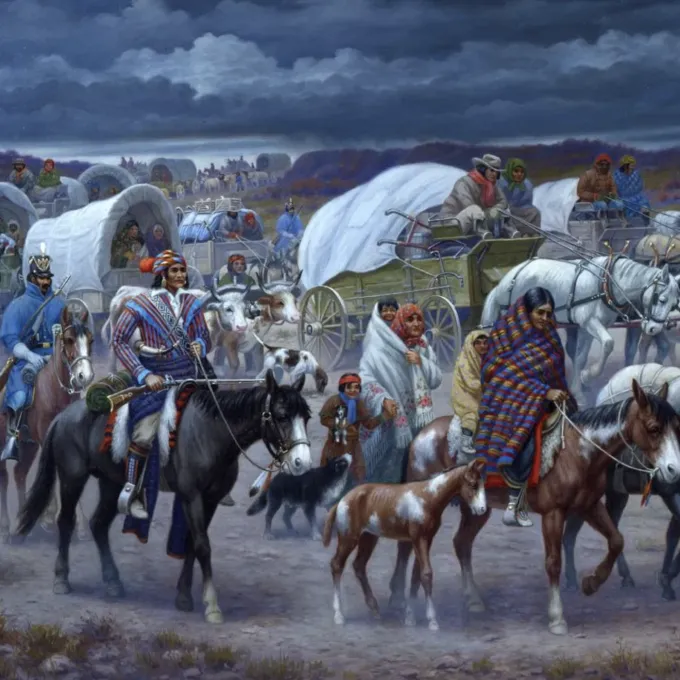
The Theory and Practice of Justice: The American Historical Experience
The Theory and Practice of Justice: The American Historical Experience
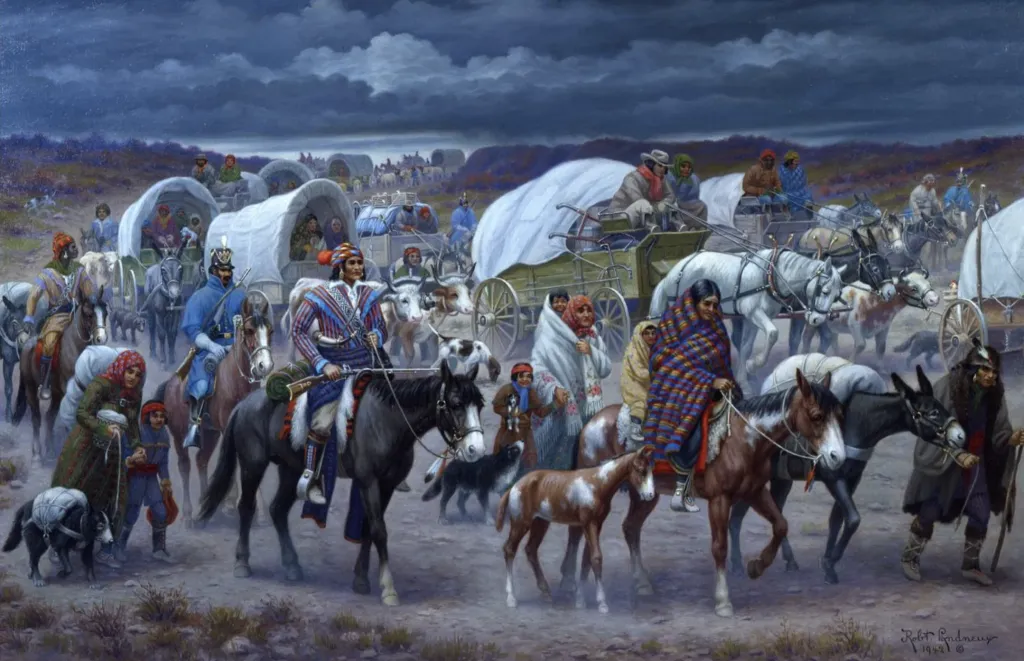
This introductory course uses historical case studies combined with readings in law, literature, and philosophy to illuminate key episodes where definitions of justice were contested in 19th and 20th century America. Some of the conflicts to be explored include: Cherokee Removal, Civil War era debates over southern secession; whether reparation should be offered to freed people to redress the injustices of racial slavery; the denial of voting rights to women as a case of taxation without representation; 20th century controversies over legal bans on racial intermarriage; free speech versus hate speech in the 1960s and 70s; and recent debates over affirmative action and gay marriage. Attendance Required.
HISTORY 2190
Tue/Thur | 1:00 PM - 2:20 PM
Instructor: Iver Bernstein
Hot Peace: U.S.-Russia Relations Since the Cold War
Hot Peace: U.S.-Russia Relations Since the Cold War
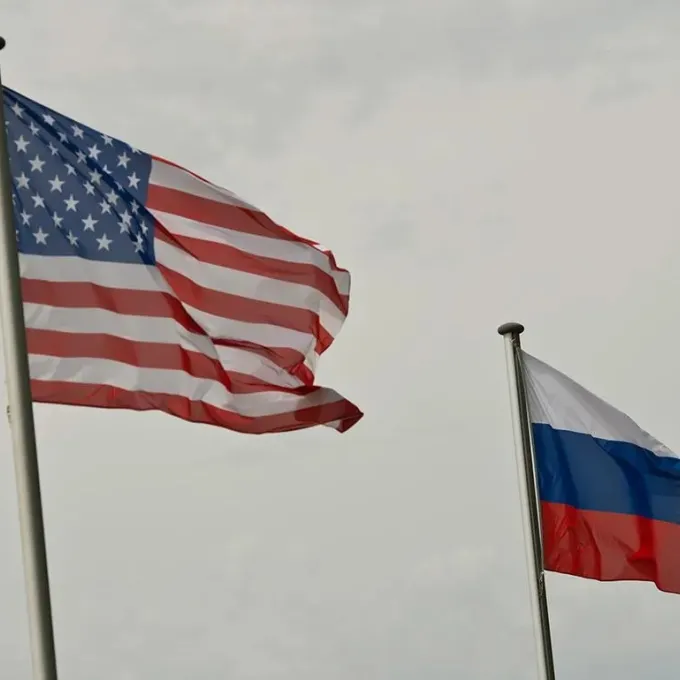
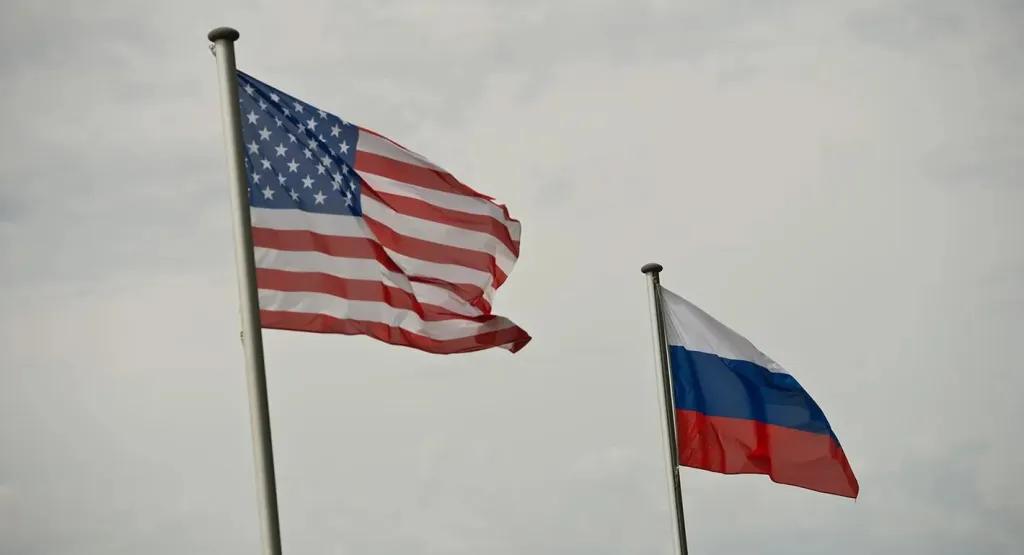
This course is an historical analysis of U.S.-Russia relations since the end of the Cold War. Focusing on reset diplomacy during the terms of five American and three Russian presidents since 1990, it reveals a familiar historical pattern that begins with high hopes, dialogue, and optimism only to be followed by vast disappointment, standoffs, and pessimism. Despite this dynamic, the course shows how and why the two countries have been able to cooperate at times to make substantial headway on critical issues such as arms control, nonproliferation of WMD, NATO expansion, counterterrorism, and economic and energy development, whereas at other times they have run afoul of major obstacles such as further NATO expansion, missile defense, and democracy and human rights in Russia. The course also examines how many political events created substantial challenges to U.S.-Russia relations, including the Balkan Wars; U.S. wars in Iraq and Afghanistan; Russia's wars in Chechnya, Georgia and Ukraine/Crimea; the Color Revolutions; the Arab Spring and subsequent civil wars in Iraq, Syria, Yemen and Libya; the fight against ISIS and other militant Islamists; the threats posed by Iran and North Korea; the rise of China; espionage crises; hybrid wars; cyberattacks; and disinformation campaigns. Two vital questions frame the analysis: (1) Why has it been so difficult for these two great powers to develop a mutually beneficial relationship? (2) What would be required to move beyond the limited partnership to something more productive and sustaining? The course concludes by evaluating reset diplomacy and the ongoing attempts to move U.S.-Russia relations beyond a Hot Peace.
HISTORY 3018
Tue/Thu | 10:00 AM - 11:20 AM
Instructor: Krister Knapp
The Global War on Terrorism
The Global War on Terrorism
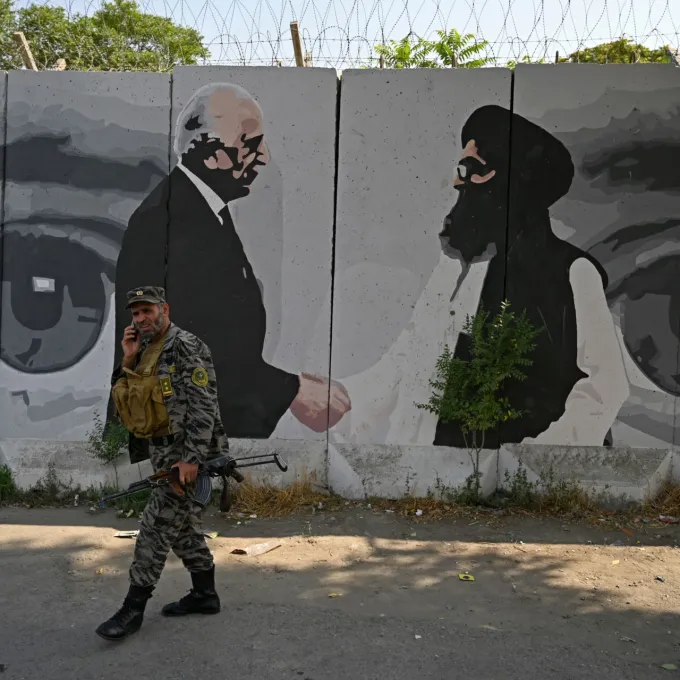
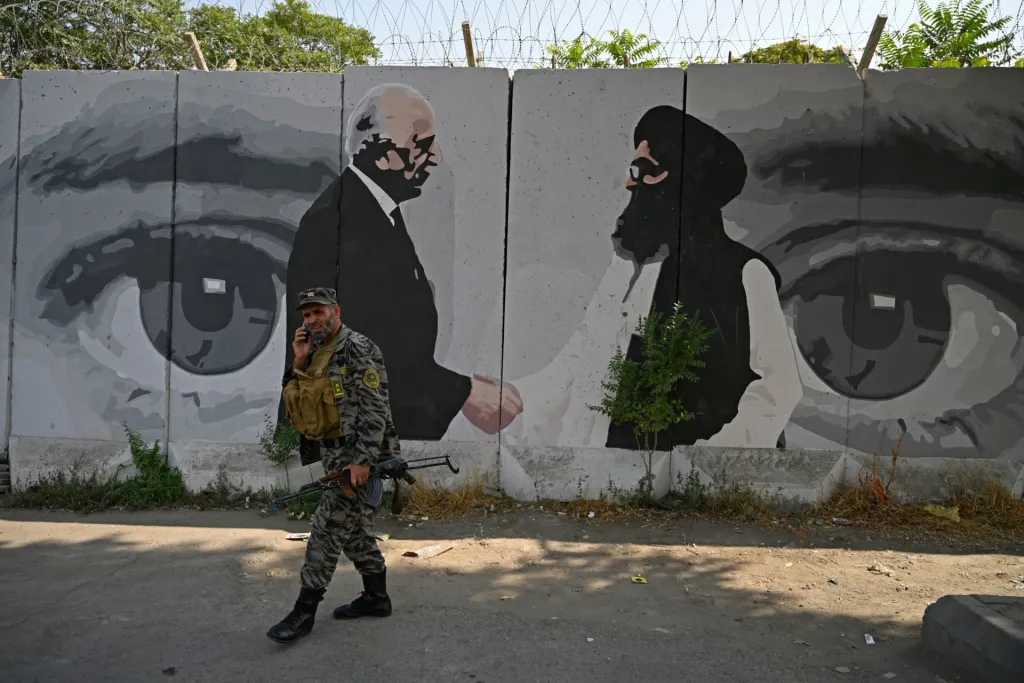
This course presents an historical assessment of the GWOT from the perspective of its major participants: militant, Salafi Islamists, especially al-Qaeda and its affiliates and offshoots including ISIS, and the nation states that oppose them, namely, the United States and its allies. It seeks to answer such questions as what is militant Islamism and how has it interpreted jihad to justify committing terrorist acts in the name of restoring the caliphate? What is the nature of the GWOT and how has it become the new rubric of war in the 21st century? We cover the rise of militant, Sunni Islamism in Egypt during the 1960s and ‘70s, Islamic jihad in Afghanistan during the 1980s, the origins of “al-Qaeda” in 1988, jihad in Bosnia, Chechnya, Algeria, and Sudan during the 1990s, al-Qaeda terrorist attacks against the U.S. during the 1990s, 9/11 and the Bush Doctrine, the war against the Taliban and the hunt for Osama bin Laden in Afghanistan in 2001-02, and the subsequent spread of Islamic jihad in South and Southeast Asia, the Middle East, North and East Africa, Western Europe, and the United States, and the respective nation states’ responses. The course concludes with an analysis of the current state and likely future of the GWOT. Just how long will this conflict last, and in what ways, how and why is it likely to end?
HISTORY 3030
3030-01: Tue/Thu | 1:00 PM - 2:20 PM
3030-02: Tue/Thu | 2:30 PM - 3:50 PM
Instructor: Krister Knapp
Superhuman Histories: Animals, Environment, Society
Superhuman Histories: Animals, Environment, Society
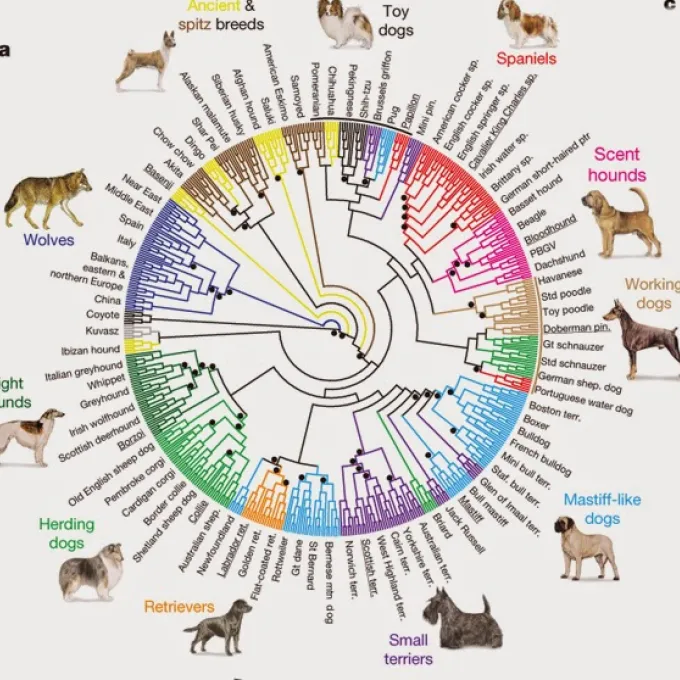
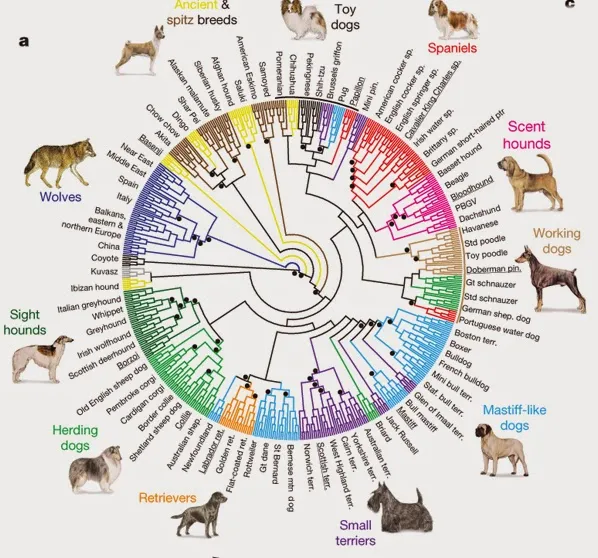
History is often understood as the story of the human past – but “we” have never been alone. How have animals and humans acted together to transform environments, define social hierarchies, or reconfigure relations of power? Conversely, how have animal bodies and animal lives been fashioned, refashioned, rescued, and extinguished through the collective actions of human (and nonhuman) beings? This course explores the current “animal turn” in History. We will discuss animal breeding, race, and pedigree; livestock and empire; workhorses and war elephants; animal welfare and extinction. Our focus will be thematic and largely modern; there will be no geographical focus (readings may treat north America, Europe, Latin America, South Asia, Africa, East Asia, or the Middle East, among other possibilities). Students will have opportunities for research.
HISTORY 3054
Tue/Thu | 2:30 PM - 3:50 PM
The Birth Crisis of Democracy: The New United States of America, 1776-1850
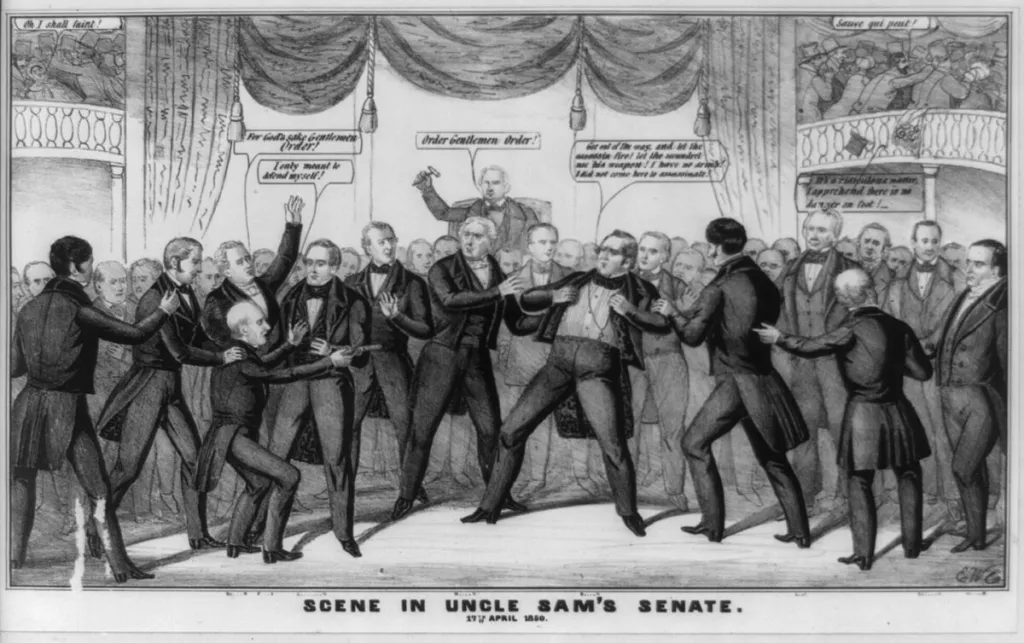
The Birth Crisis of Democracy: The New United States of America, 1776-1850
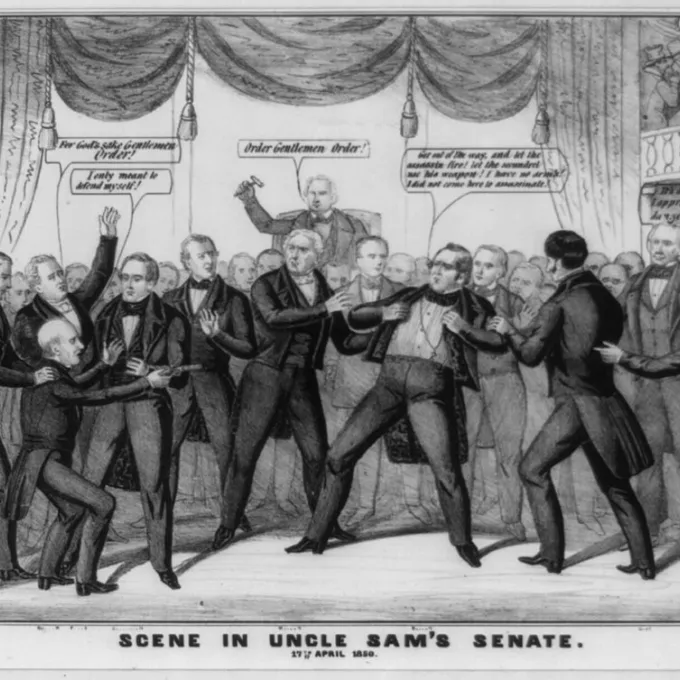
Go get yourself some democracy! Americans have so often preached to other nations, but just how did Americans themselves go about creating the world's largest and most successful democratic republic? How democratic was this violent new nation that reeled from one crisis to another and ultimately to the brink of collapse in its first 75 years? This survey of American history from the creation of the Republic to the eve of the Civil War explores the Revolution and its ambiguous legacies, the starkly paradoxical marriage of slavery and freedom, and the creation of much of the America that we know: mass political parties; a powerful presidency; sustained capitalist growth; vigorous individualistic creeds; formalized and folkloric racism; expansionism, expulsionism, and nativism; heteronormative patriarchal family life; technological innovation; literary experimentation; distinctively American legal, scientific and religious cultures; and the modern movements of labor, feminist, and civil rights empowerment.
HISTORY 3158
Tue/Thu | 10:00 AM - 11:20 AM
Instructor: Iver Bernstein
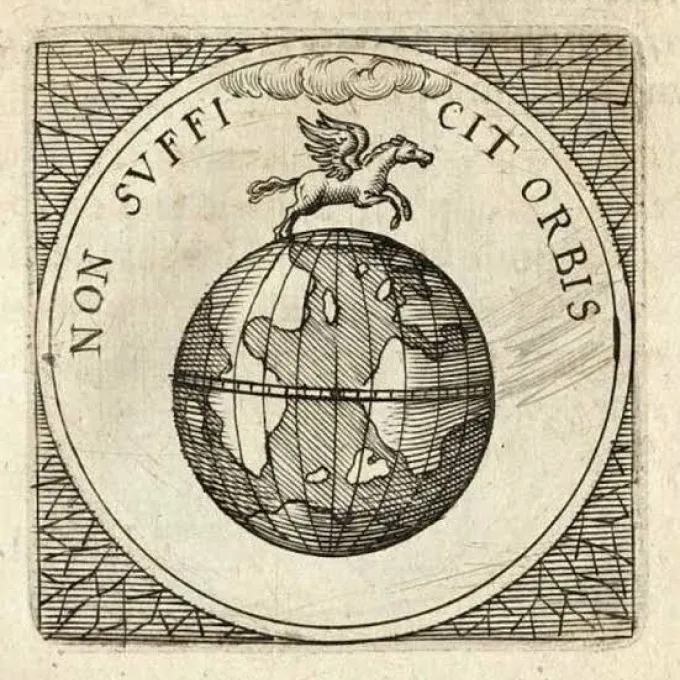
The World is NOT Enough: Europe's Global Empires, 1400-1750
The World is NOT Enough: Europe's Global Empires, 1400-1750
Non sufficit orbis (the world is not enough) became the motto for King Philip II of Spain, whose empire touched nearly every part of the globe. Europe's expansion to Africa, Asia, and the Americas was a transforming event for world history and for its willing and unwilling participants. This course examines the religious, political, and economic forces driving the overseas expansion of Europe, compares the experience of European sailors, soldiers, and merchants in different parts of the world, and analyzes the effect of empire on the colonizers, the colonized, and the balance of world power. Topics covered include: Portuguese and Spanish conquests in the East and West Indies, religious conversion and resistance, trade routes and rivalries, colonial practices and indigenous influence, the establishment of Atlantic slavery, and the rise of the Dutch and English empires.
HISTORY 3103
Lecture: Tue/Thur | 4:00 PM - 5:20 PM
Instructor: Christine Johnson
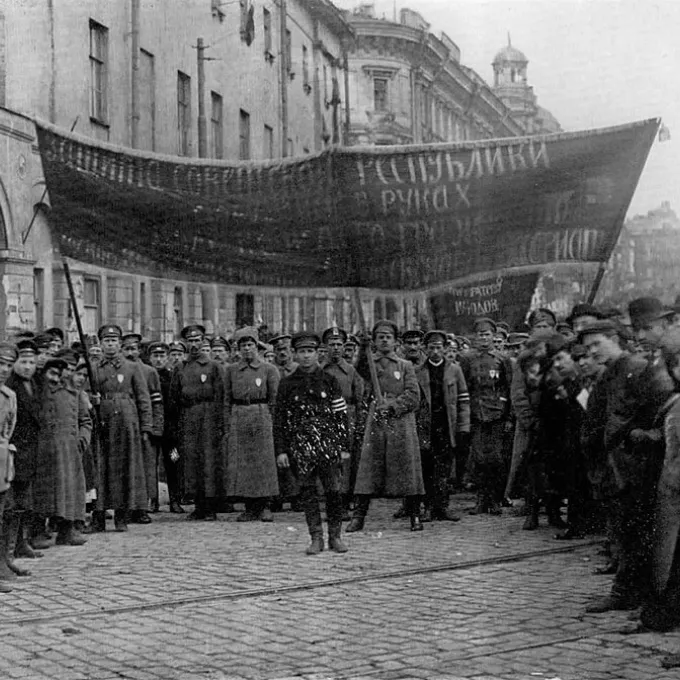
20th-Century Russian History
20th-Century Russian History
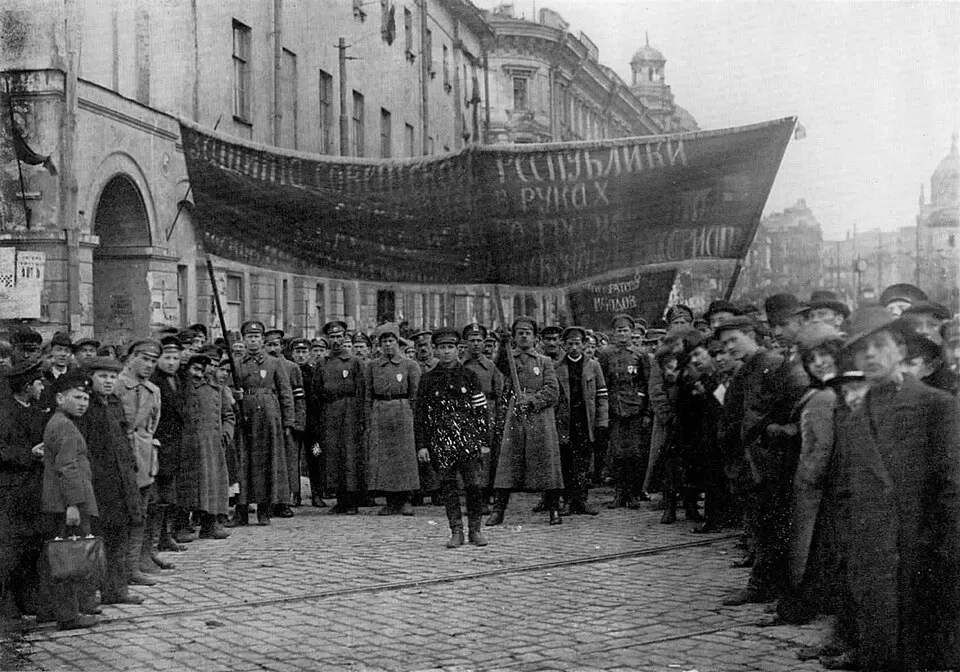
In 2005, President Putin remarked that, "Above all, we should acknowledge that the collapse of the Soviet Union was the major geopolitical disaster of the century." This course is a survey of the Russian Empire and the Soviet Union from 1900 to the present. It covers the Imperial legacy, the several revolutions at the beginning of the century, Stalinism and de-Stalinization, retrenchment, Gorbachev's reforms and collapse, and post-Soviet developments. Emphasis will also be placed on the Soviet Union as a multi-ethnic, multi-cultural, multi-lingual society, including relations with Chechnya and Ukraine, among other regions.
HISTORY 4351
Tue/Thur | 11:30 AM - 12:50 PM
Instructor: Nataliia Laas

Senior Honors Thesis and Colloquium: Writing-Intensive Seminar
Senior Honors Thesis and Colloquium: Writing-Intensive Seminar
Learn more about the Senior Honors Thesis and Colloquium - https://history.washu.edu/honors-program
HISTORY 3224
Thu | 4:00 PM - 6:50 PM
Instructor: Lori Watt
Women and Crime in the Evolution of American History
Women and Crime in the Evolution of American History
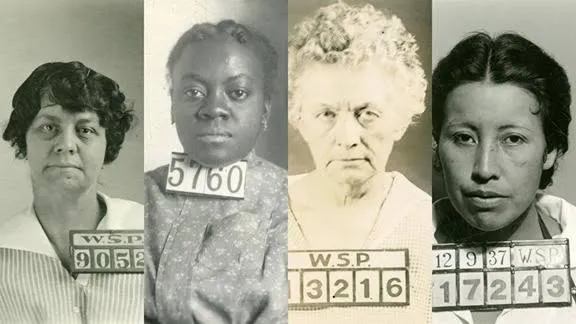
Crime happens. Property is damaged and stolen, lives are lost, and law, order, and justice evolves. This course taps into that ongoing reality by centering the herstorical evolution of female crime, highlighting women and girls of many kinds across time and spaces of America. It moves across centuries (through to the contemporary period) probing within and far beyond icons to unveil the gendered nature of crime and moreover to empower students to see and trace everyday female criminality that ignited across racial, ethnic, as well as lines of age in the winding path of American history. While men and boys dominate public and even scholarly expectations of crime and carceral conversations for many, students will leave this course with a far more rigorous understanding of the herstories gained by taking serious the types of crimes that women and girls acted out by exploring: robbery, assault, infanticide, larceny, murder, arson, prostitution, serial killers, and drug-related crimes. As well as going further to probe state and federal power through carceral medicine - showing the interior world of female prisoners, physicians, the movement of females into asylums'' and mental state hospitals, incarceration based on insanity while going further to examine births, illnesses, and death of women and teens in jails and prisons. Students will be likewise pushed to engage America's timeline of race, gender, and executions that includes women and girls. Racialized and gendered criminality, law enforcement violence, healthcare and deathcare in prisons are critical public health issues that students can better understand the complicated evolutions by deeply probing the herstorical lives of women, girls, and crime through this course. Students will read, learn, dig up the past, and write to ensure a future of herstory and remembrance.
HISTORY 3234
Tue/Thu | 1:00 PM - 2:20 PM
Instructor: Sowande' Mustakeem
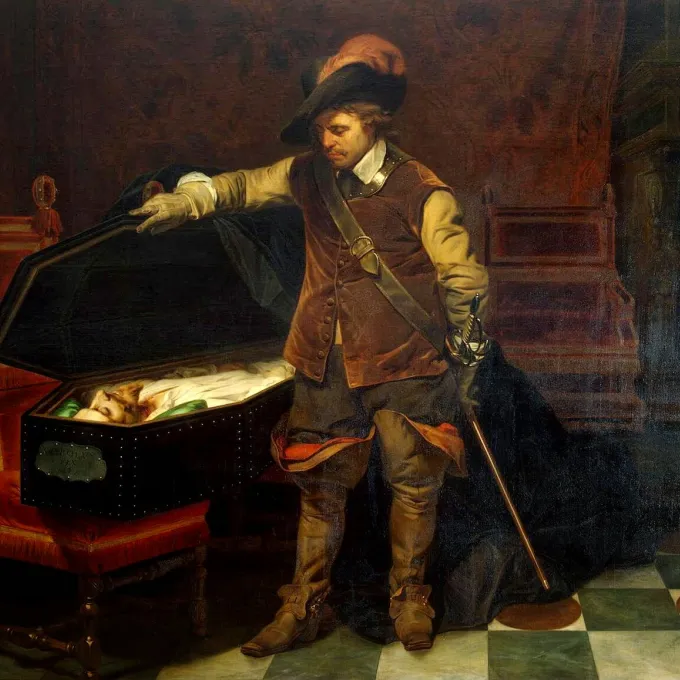
Politics, Religion, and Society in Early Modern Britain, 1485-1714
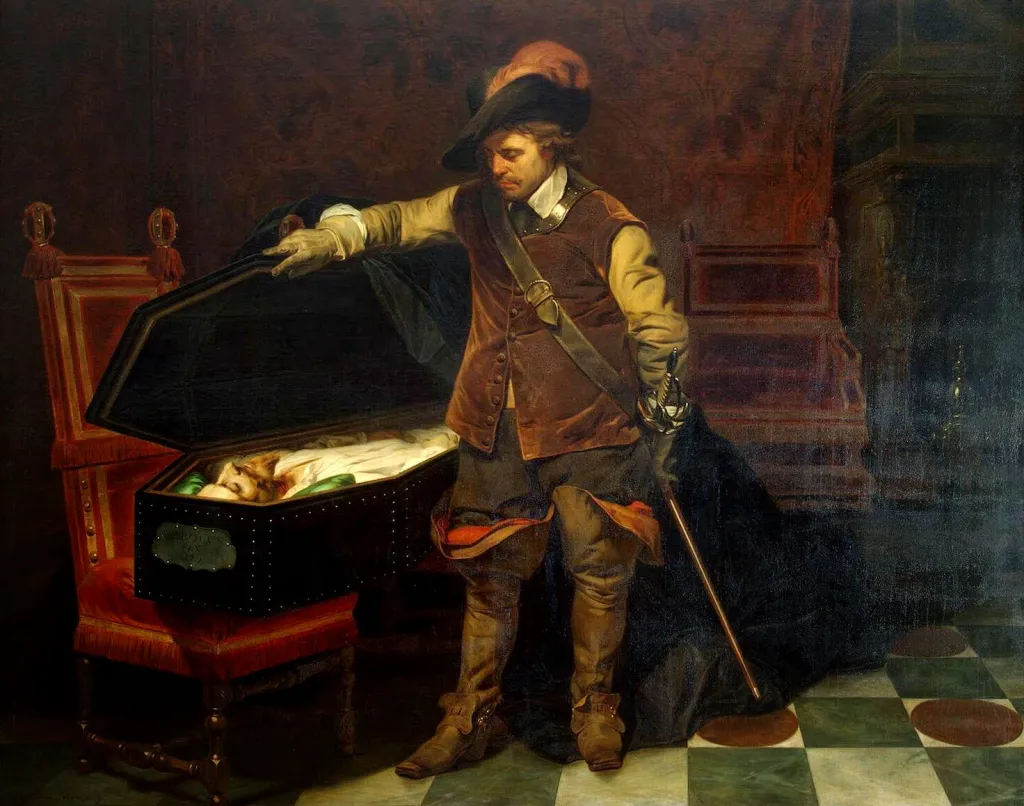
Politics, Religion, and Society in Early Modern Britain, 1485-1714
This lecture course is intended to provide an introduction to the political, religious and economic development of English society between the late fifteenth and the early eighteenth centuries. Particular issues addressed in the lectures will include: changing social structure; households; local communities; gender roles; economic development; urbanization; religious change from the Reformation to the Act of Toleration; the Tudor and Stuart monarchies; rebellion, popular protest and civil war; witchcraft; education, literacy and print culture; crime and the law; poverty and social welfare; the changing structures and dynamics of political participation; the emergence of parliamentary government; and the early development of imperial ambitions.
HISTORY 3242
Tue/Thu | 10:00 AM - 11:20 AM
Instructor: Steve Hindle
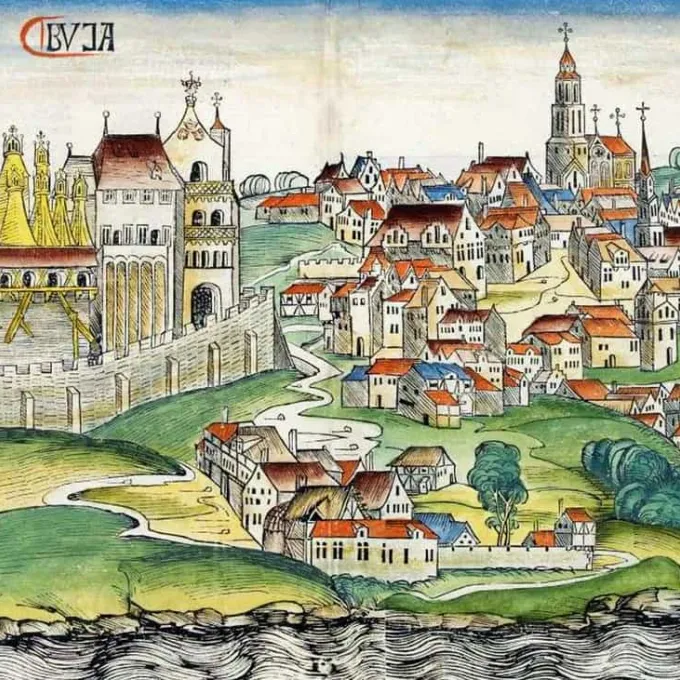
The High Middle Ages: 1000-1500
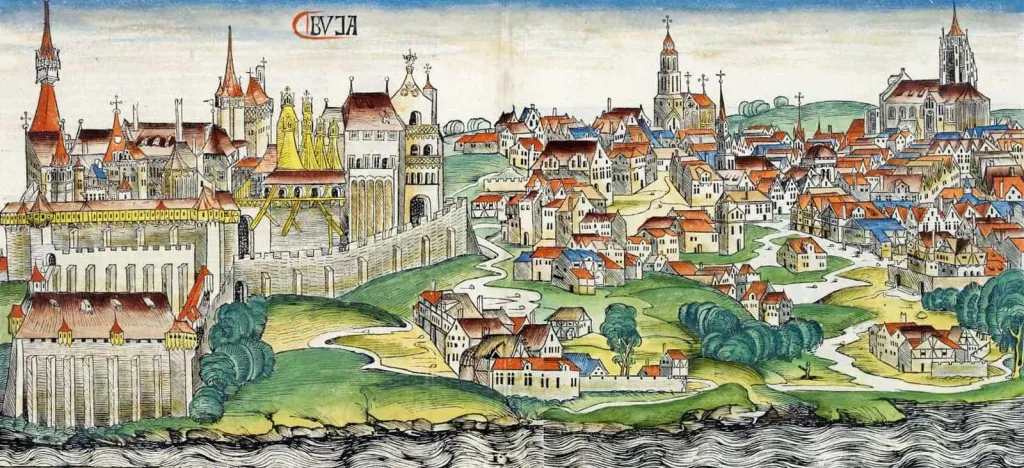
The High Middle Ages: 1000-1500
This course begins with Latin Christendom in the first millennium and ends with the arrival of Europeans in the Americas. We will study, amongst other topics, the relationship of popes to kings, cities to villages, Jews to Christians, vernacular literature to Latin, knights to peasants, the sacred to the profane, as well as different forms of religious life, farming, heresy, the shift from a penitential culture to a confessional one, the crusades and Islam, troubadour poetry, love, universities, leprosy, the inquisition, Gothic art, the devil, chivalry, manuscript illumination, the Mongol Empire, shoes, definitions of feudalism, environment, trade, scholastic philosophy, female spirituality, witchcraft, sex, the Black Death, food, the Hundred Years War, the formation of Europe, the renaissance in Italy, enslaved Africans in the Iberian peninsula, and the conquest of the Mexica.
HISTORY 3274
Tue/Thu | 2:30 PM - 3:50 PM
Instructor: Mark Pegg
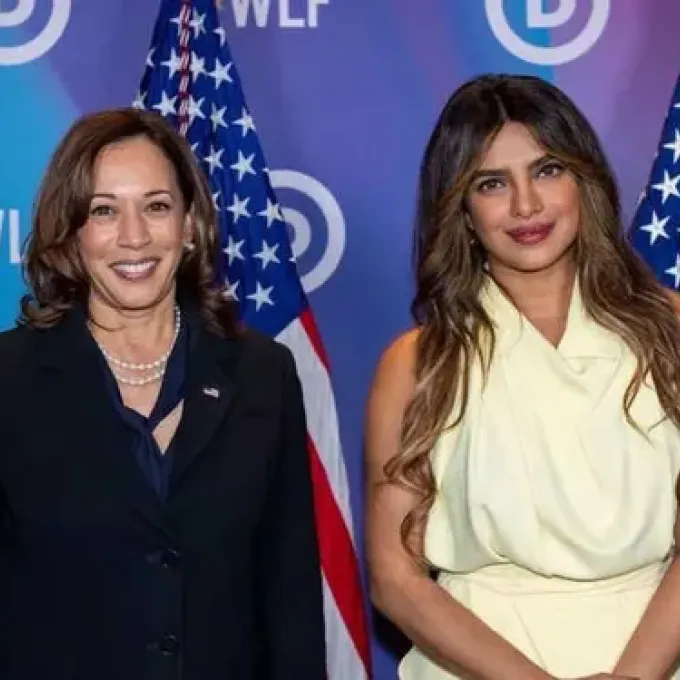
World Leaders, Global Celebrities, and Indian Icons: The history of Indian globalization from Gandhi to Mamdani
World Leaders, Global Celebrities, and Indian Icons: The history of Indian globalization from Gandhi to Mamdani
From Mohandas “Mahatma” Gandhi to Zohran Mamdani, the Indian subcontinent has produced an enormous number of global icons. These are women and men who are revered, even idolized because they’ve shaped change for, and captured the imagination of, multitudes. Over the course of the semester, we will examine the life-stories and self-presentations of twenty-first century Indians, and Indo-Americans. We do that to situate each of these unique people in history. The memoirs and autobiographies of M.K. Gandhi, Kamala Harris, Malik Sajad, Nikki Haley, Zarna Garg, Kash Patel, Zara Chowdhary, Usha Vance, Mindy Kaling, Priyanka Chopra, Shri Thanedar, Deepak Chopra, Atul Gawande, Padma Laxmi, Amartya Sen, Indra Nooyi, and Arundhati Roy along with biographies of global icons like Zohran Mamdani and Shah Rukh Khan provide the primary source material for our class.
Despite obvious personal, political, and professional differences, each of these iconic individuals reveals a national and global subjectivity: the belief that their personal story is distinct because it is intertwined with the life of the nation and therefore, the world. We’ll examine how their ambitions are launched in the name of a homeland that some only fleetingly experienced, we’ll probe their burning desire for world-wide recognition and for global citizenship. We’ll ask whether it is colonialism, or globalization, or migration, or the United States itself that unifies their search for truth, and commitment to public service and non-violence. And we’ll learn what it means to situate individuals in history. Finally, we’ll discover how to ask more delicate questions: does history shape subjectivity? What about personality and emotions? Can stories about the past reveal the structure that paves the way for the future? How would professional historians assess the desire to lead, at a global level; (when) will we see an Indo-American in the White House? Together we will debate the presumption that winners write history. Instead, we’ll explore how history creates world leaders.
HISTORY 3033
Tue/Thur | 2:30 PM - 3:50 PM
Instructor: Shefali Chandra
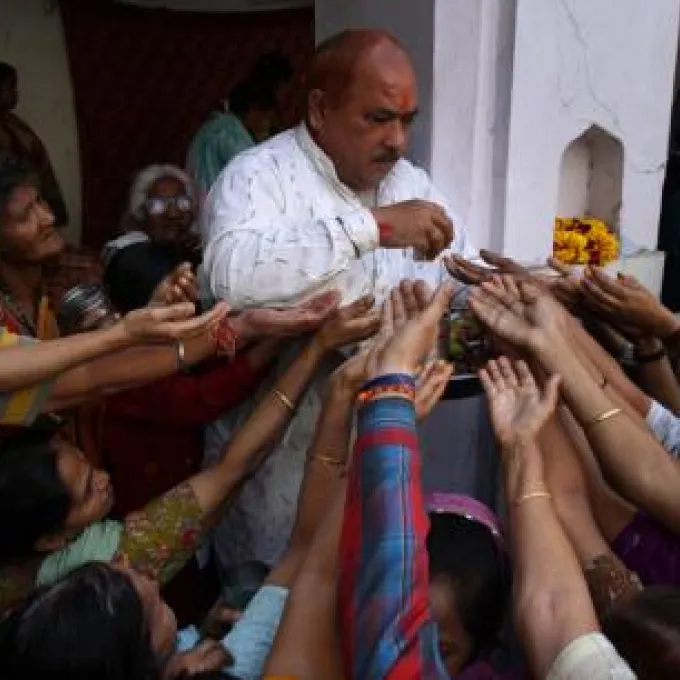
Hinduism & the Hindu Right
Hinduism & the Hindu Right
This course turns an historical lens onto Hindu nationalism, the current of Indian politics today identified with Narendra Modi, who has been Prime Minister of India for over a decade. It examines the rise of the Hindu nationalist Bharatiya Janata Party since the 1990s, and it explores the Rashtriya Swayamsevak Sangh and other Hindu nationalist cultural organizations that underpinned that ascent. Taking a broad view on Hindu nationalism, the course considers the factors and trends that shaped Hindu politics on the subcontinent and in diaspora, with an emphasis on the nineteenth and twentieth centuries.
HISTORY 3277
Tue/Thur | 11:30 AM - 12:50 PM
South Asia in Global History
South Asia in Global History
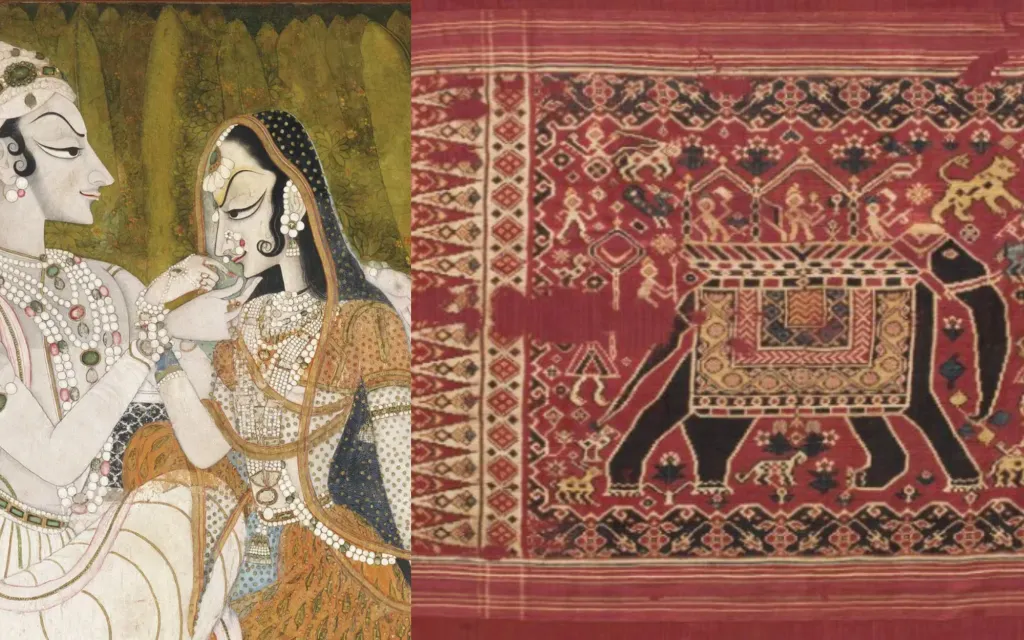
In this course, we will explore the vibrant global history of modern South Asia from 1750 to the present. Through an in-depth exploration of the histories, cultures, and global connections of South Asia, a region encompassing the modern nations of Afghanistan, Bangladesh, Bhutan, India, the Maldives, Nepal, Pakistan, and Sri Lanka, we will trace the region's history from its early modern periods to the period of decolonization. Although anchored in the modern chronology of South Asia, the aim is to explore the subcontinent's global connections with Eastern and Southern Africa, the Indian Ocean World, the Middle East, East and Southeast Asia, and Western Europe. This means that students will acquire tools to understand themes such as colonization, modernization, democracy, and social change more broadly and apply them to other geographic regions. Themes include the early modern global economy, the rise and influence of Indo-Persianate culture, colonial encounters, the complex process of decolonization, and nation-building in the 20th century. Through the circulation of peoples, ideas, and objects we will explore the region's oceanic, subterranean, and peripheral connections that help us understand how South Asians experienced and historicized their history.
HISTORY 3283
Mon/Wed | 11:30 AM - 12:50 PM
Instructor: Marjan Wardaki
The Late Ottoman Middle East
The Late Ottoman Middle East
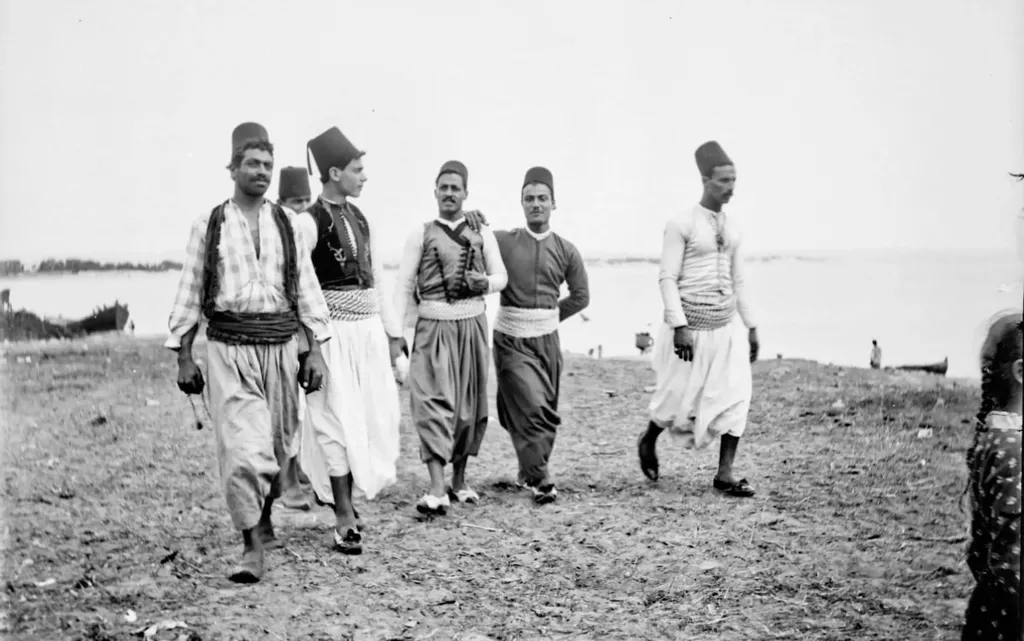
This course surveys the Middle East in the late Ottoman period (essentially the 18th and 19th centuries, up to the First World War). It examines the central Ottoman state and the Ottoman provinces as they were incorporated into the world economy, and how they responded to their peripheralization in that process. Students will focus on how everyday people's lived experiences were affected by the increased monetarization of social and economic relations; changes in patterns of land tenure and agriculture; the rise of colonialism; state efforts at modernization and reform; shifts in gender relations; and debates over the relationship of religion to community and political identity.
HISTORY 3284
Tue/Thur | 1:00 PM - 2:20 PM
Instructor: Nancy Reynolds
Historical Methods – Premodern European History
Historical Methods – Premodern European History
This is a small-group reading course in which students are introduced to the skills essential to the historian's craft. Emphasis will be on acquiring research skills, learning to read historical works critically, and learning to use primary and secondary sources to make a persuasive and original argument. See Course Listings for current topics. Required for history majors. Preference given to History majors; other interested students welcome.
Property and Community in Medieval Europe
In medieval Europe, full membership in the social and political community depended largely on the ownership of property: a share in a family palace or tower; the right to pasture one's herds or gather wood or name someone to church office; or, most often, land, whether held individually or collectively. This course will use property as a lens for viewing the life of medieval communities. Students will learn to use the medieval tax records of the Tuscan town of Cortona as a source for investigating collective and individual ownership of property, disparities of wealth and the meanings of poverty, naming patterns, migration, female heads of households, life at the center and on the margins of society, and more.
HISTORY 3376
Tue/Thur | 4:00 PM - 5:20 PM
Instructor: Daniel Bornstein
Historical Methods– Premodern Transregional History
Historical Methods– Premodern Transregional History
This is a small-group reading course in which students are introduced to the skills essential to the historian's craft. Emphasis will be on acquiring research skills, learning to read historical works critically, and learning to use primary and secondary sources to make a persuasive and original argument. See Course Listings for current topics. Required for history majors. Preference given to History majors; other interested students welcome.
This course concerns itself with addressing and familiarizing students with some of the major issues, debates, problems, themes, and methods, adopted and adapted by historians of the Middle Ages. As such, a great deal is not only learned about the Middle Ages themselves, from around 200 to just after 1500, but also about the history of medieval history, from the the seventeenth century up to the twenty-first. Each week we will explore the various methodologies for discovering and reading primary sources of various kinds, whether a chronicle, a poem, a land contract, inquisition records, and even textual fragments that nevertheless that help us imagine the past. How an historian writes is as important as what he or she says and so this course will pay close attention to the art and craft of the historian. Is history a science as was argued in the nineteenth century? What, ultimately, is truth for the historian? Topics to be explored are the Christianization in the early Middle Ages, the relationship of popes to kings, of cities to villages, of Jews to Christians, of vernacular literature to Latin, of knights to peasants, of the sacred to the profane. Along the way, our attention will be directed to things as various as different forms of religious life, the establishment of frontier communities, the crusading movement, heresy, magic, witchcraft, the shift from a penitential culture to a confessional one, the beginnings of the inquisition, Gothic art, the devil, chivalry, manuscript illumination, definitions of feudalism, female spirituality, and the Black Death. Finally, the question of medievalism will be thought about - in other words, how ideas about the Middle Ages, whether bizarre or not, have shaped nineteenth, twentieth, and twenty-first century Europe and America. Students will participate in weekly discussions and write two historiographic essays.
HISTORY 3384
Tue | 4:00 PM - 6:50 PM
Instructor: Mark Pegg
Historical Methods: The History of Climate Change
Historical Methods: The History of Climate Change
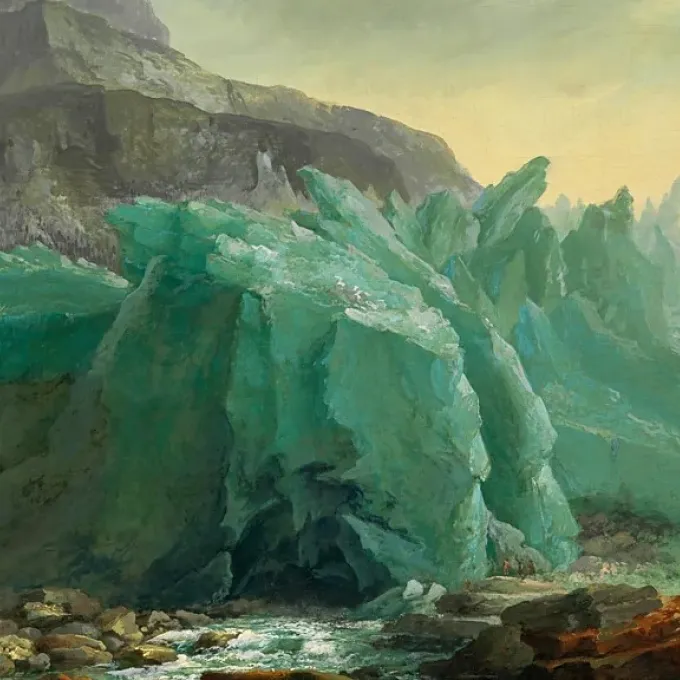
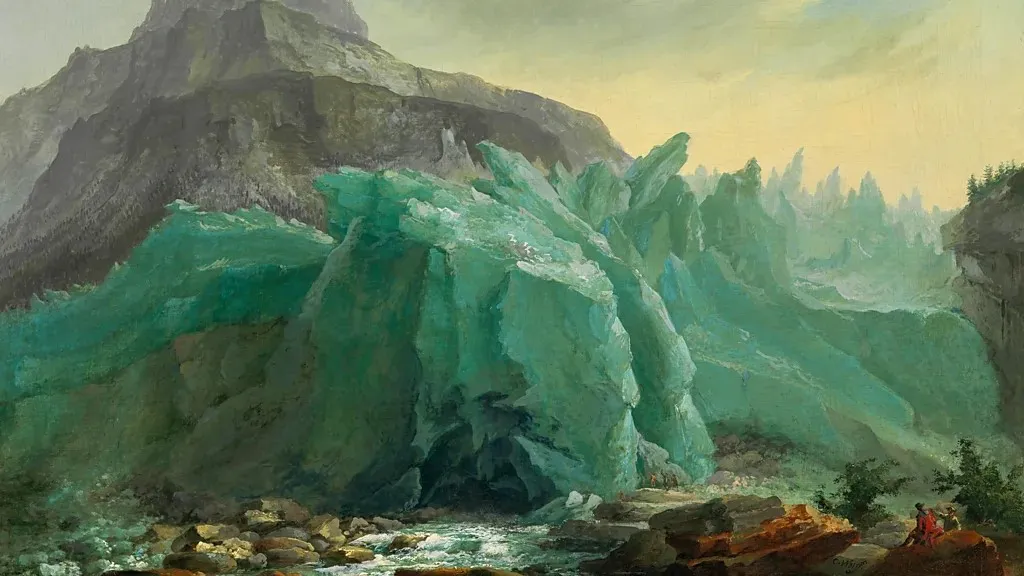
Our planet entered a new geological epoch of the Anthropocene when humanity acquired the ability to change the climate and ecological systems in fundamental ways. When and how did we, humans, obtain such power? And how can historical knowledge about climate past help us to address the challenge of climate change and advance climate justice? This seminar surveys climate history from the Antiquity to the present. It covers the climate-caused collapses of ancient Rome and Maya civilizations, the imperial legacies of European climate determinism, the Little Ice Age crisis of the seventeenth century, the climate engineering projects of colonialism, capitalism, and socialism, the emergence of modern climate science, and the challenges of today’s global warming. As a historical methods course, this class will provide an intensive training in the critical analysis of historical sources specific for climate history.
This is a small-group reading course in which students are introduced to the skills essential to the historian's craft. Emphasis will be on acquiring research skills, learning to read historical works critically, and learning to use primary and secondary sources to make a persuasive and original argument. Required for history majors. Preference given to History majors; other interested students welcome. Topic will vary each term within Modern Transregional History.
HISTORY 3385
Tue/Thu | 4:00 PM - 5:20 PM
Instructor: Nataliia Laas
The Making of the Modern Catholic Church
The Making of the Modern Catholic Church
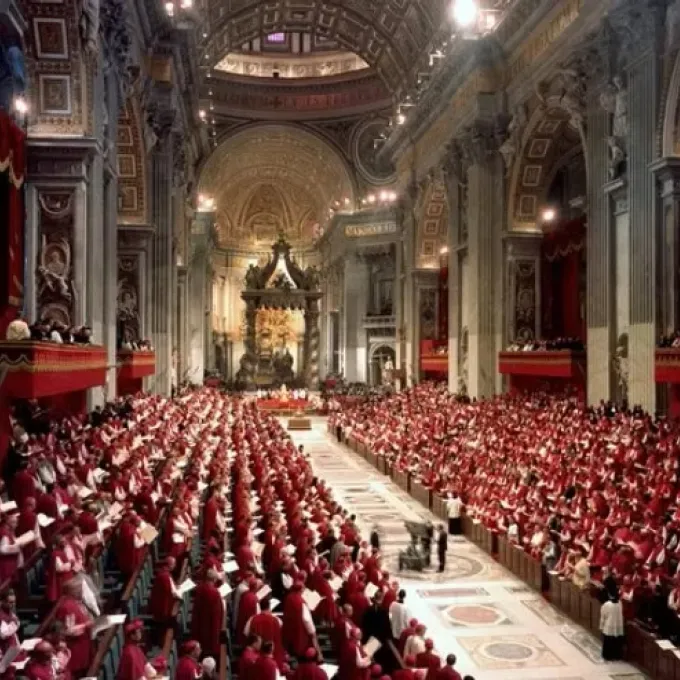
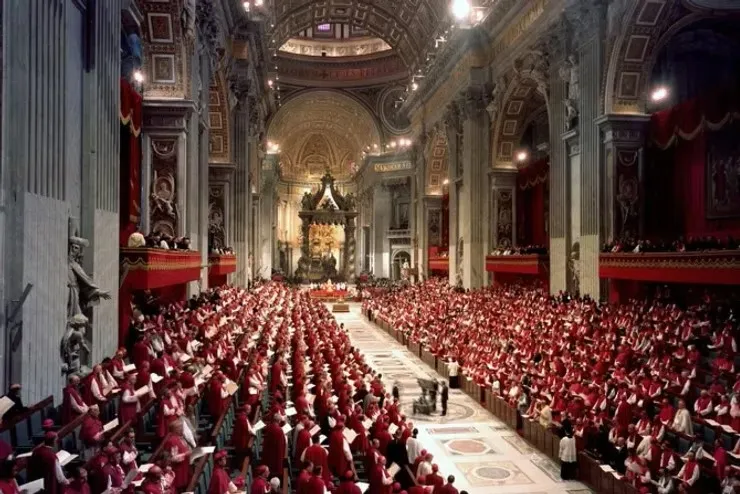
This course examines the work of three church councils that put their stamp on the Catholic Church at key moments in its history, making it what it is today. The first section is dedicated to the Fourth Lateran Council (1215), which defined the high medieval church as an all-encompassing papal monarchy with broad powers over the lives of all Europeans, Christian and non-Christian alike. In the second section we turn our attention to the Council of Trent (1545-1563), which responded to the threat posed by the Protestant Reformation by reforming the Catholic church, tightening ecclesiastical discipline, improving clerical education, and defining and defending Catholic doctrine. We conclude with a consideration of the largest church council ever, Vatican II (1962-1965), which reformed the liturgy and redefined the church to meet the challenges of the modern, multicultural, post-colonial world.
HISTORY 3977
Tue/Thur | 1:00 PM - 2:20 PM
Instructor: Daniel Bornstein
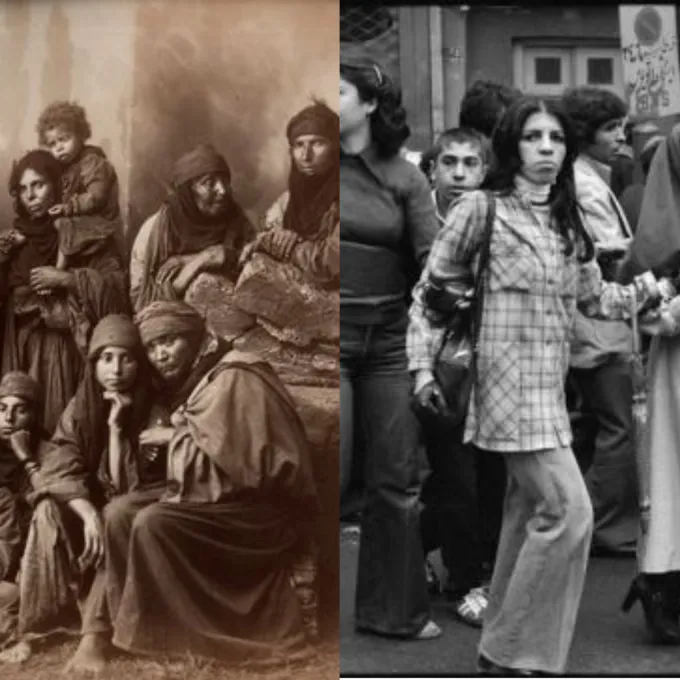
Beyond the Harem: Women, Gender, and Revolution
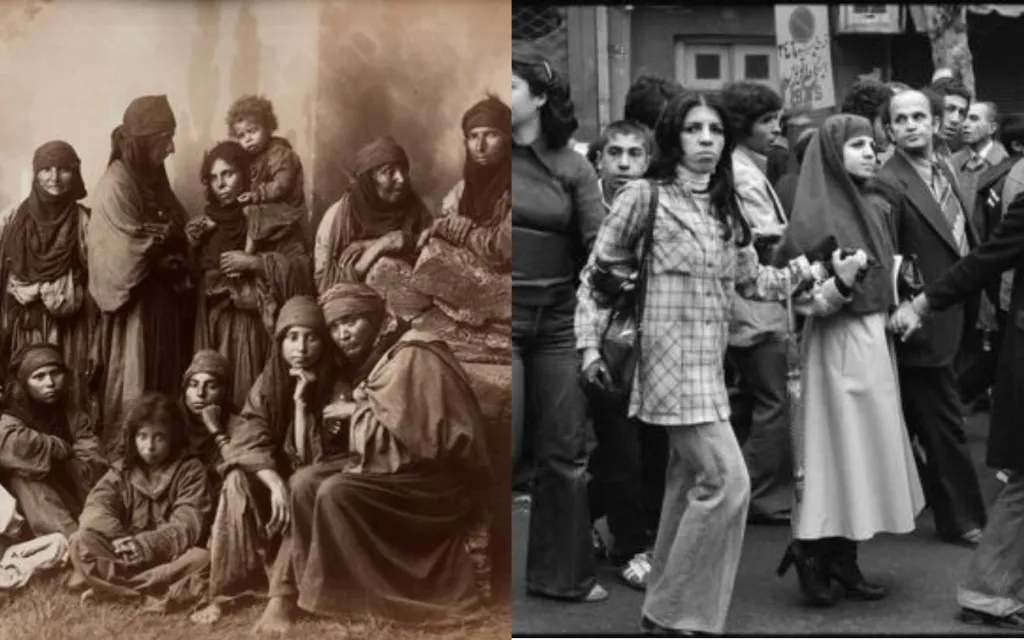
Beyond the Harem: Women, Gender, and Revolution
This course examines the history and current situations of women in Middle Eastern societies. The first half of the course is devoted to studying historical changes in factors structuring women's status and their sociopolitical roles. The second half of the course will focus on several case studies of women's participation in broad anticolonial social revolutions and how these revolutions affected the position of women in those societies.
HISTORY 4038
Tue/Thu | 4:00 PM - 5:20 PM
Instructor: Nancy Reynolds
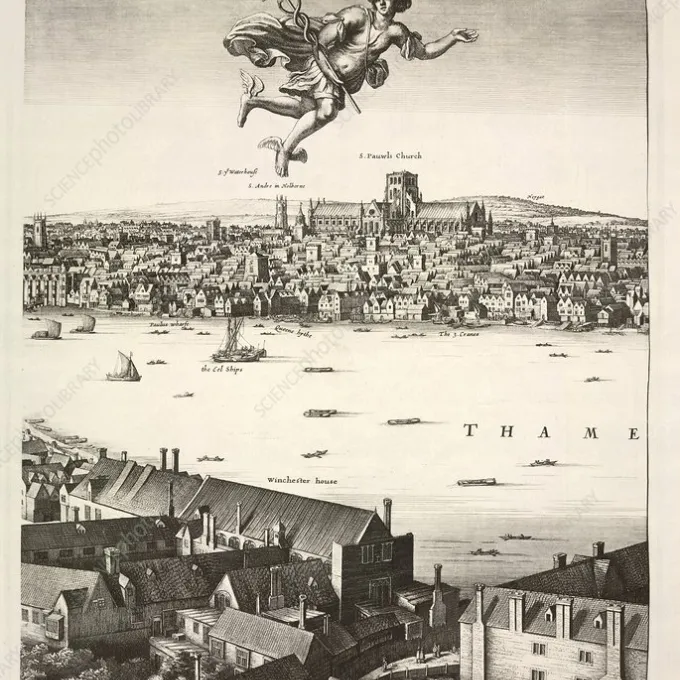
Advanced Seminar: Londinoplis: The Social and Cultural History of a Capital City, 1560-1760
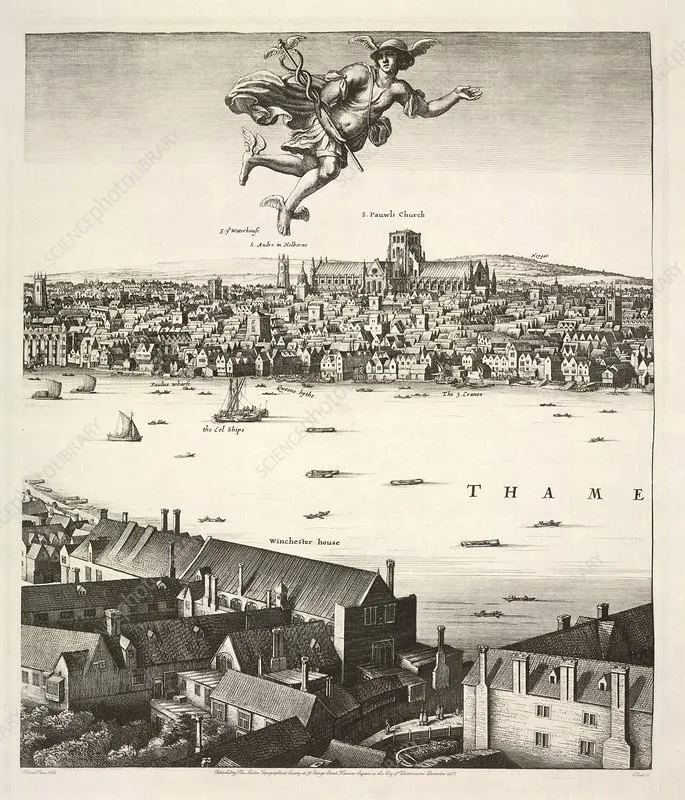
Advanced Seminar: Londinoplis: The Social and Cultural History of a Capital City, 1560-1760
Between 1560 and 1760 London grew from a modest city of c.50,000 inhabitants to become a metropolis of over 700,000 people: the largest city in Europe, the hub of an expanding British world, and one of the centers of world trade. This Advanced Seminar will examine a range of aspects of this transformation, focusing upon the development of a distinctive metropolitan society and culture. Selected readings from the secondary literature will introduce each topic; and extracts from primary sources will illustrate the types of source available for its exploration.
HISTORY 4135
Thur | 3:00 PM - 5:50 PM
Instructor: Steve Hindle
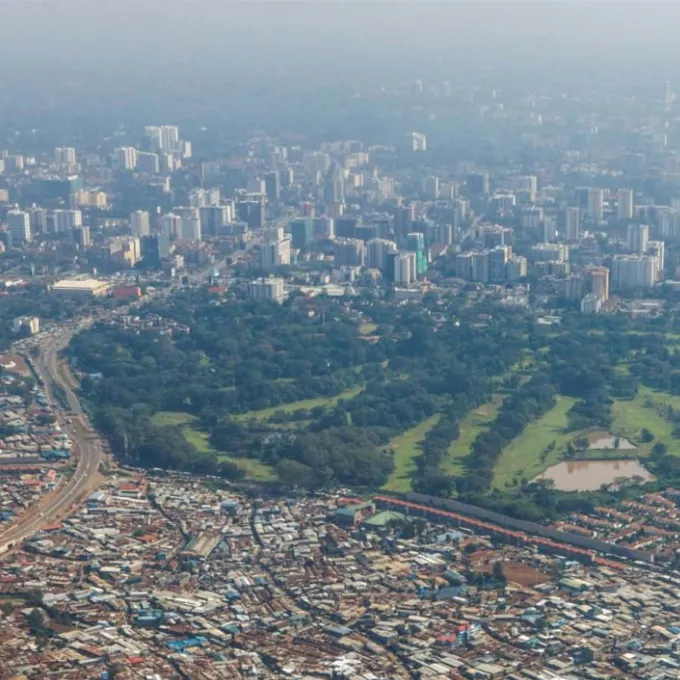
Advanced Seminar: Whose Nairobi? Opportunity and Inequality in a Twentieth Century African City
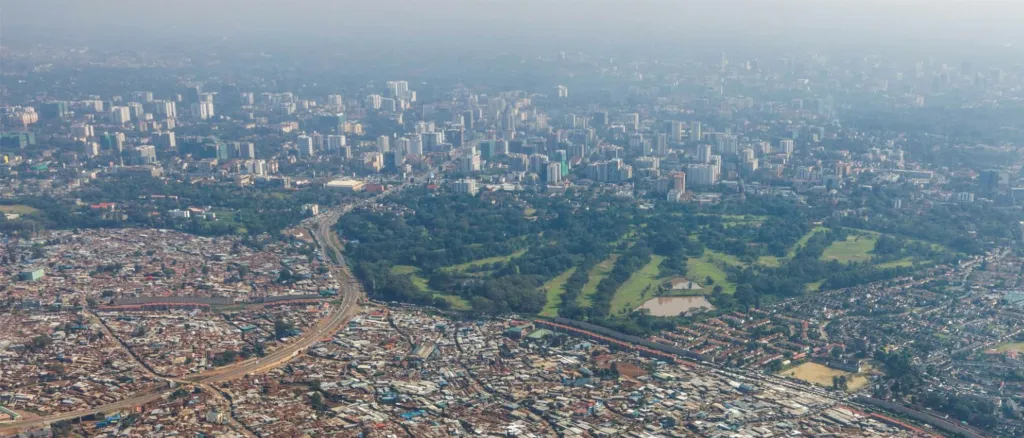
Advanced Seminar: Whose Nairobi? Opportunity and Inequality in a Twentieth Century African City
Visitors to East Africa often hear the cautionary refrain, Nairobi is not Kenya. But over the past century, Kenya's largest city has meant distinctly different things to distinctly different people. Starting as a simple railway camp in the late nineteenth century, and shaped by decades of colonial racial and ethnic segregation, it has grown into a global mega-city, where Kenyans from every background and every corner of the country interact with an equally diverse cast of foreigners. Focusing on the realities of the day-to-day, this research seminar deploys a wide variety of historical evidence to better understand how ordinary people experienced, and were shaped by, Nairobi during the long and turbulent twentieth century. This seminar's centerpiece is an extensive and original research paper that offers students the opportunity to work a wide variety of primary sources including archives, city planning reports, maps, images of the built environment, music, material culture, memoirs and narrative fiction.
HISTORY 4786
Mon | 2:00 PM - 4:50 PM
Instructor: Timothy Parsons
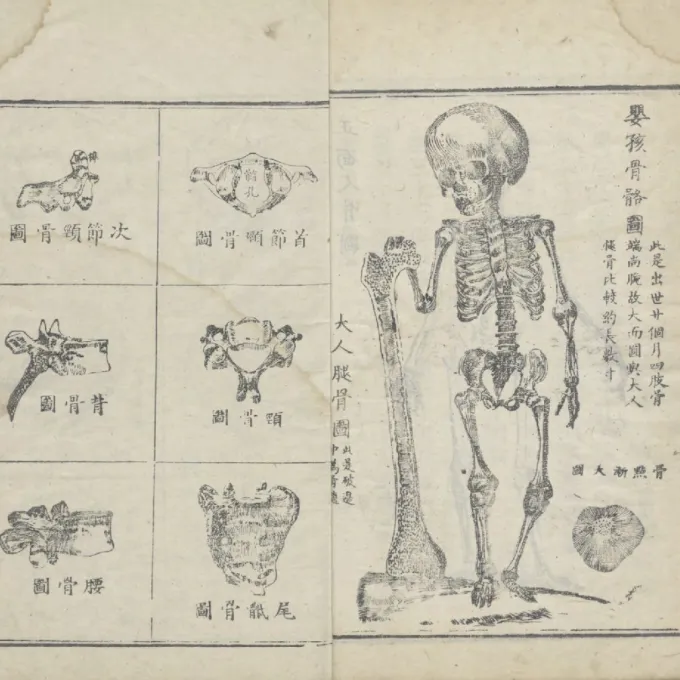
Advanced Seminar: Empire, Science, and Technology in China
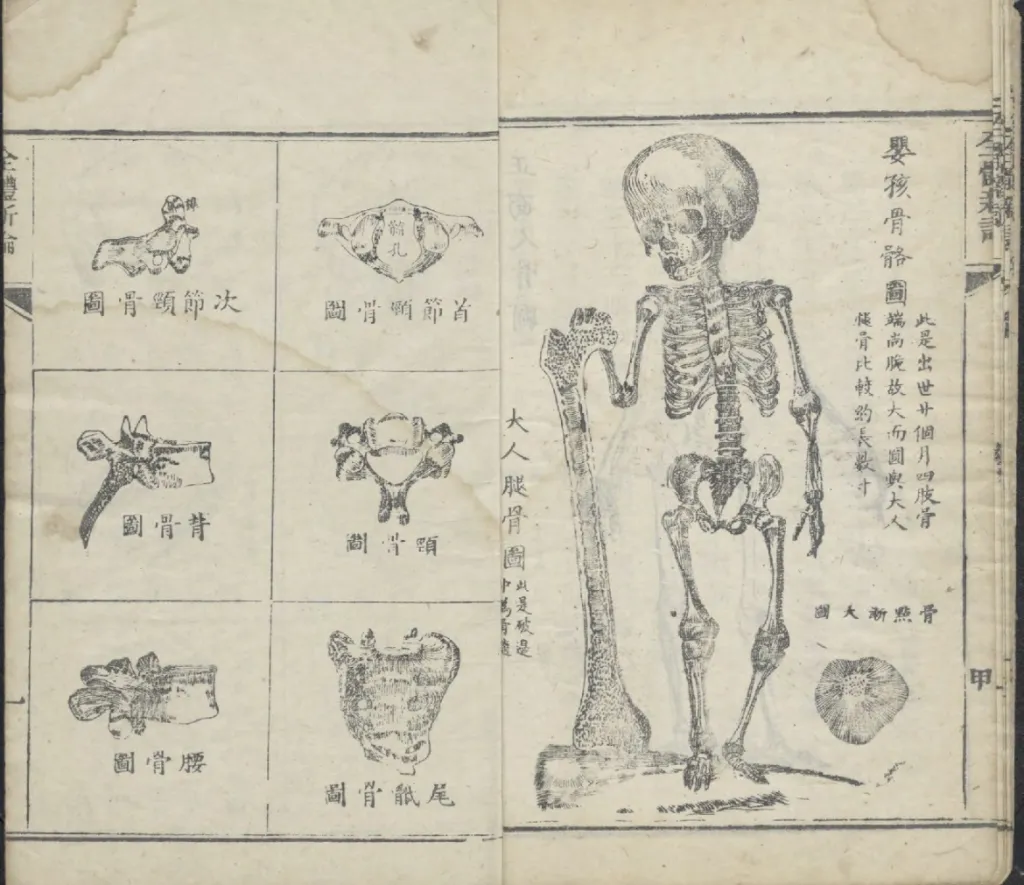
Advanced Seminar: Empire, Science, and Technology in China
This course is to be taken in addition to any Advanced Seminar for which a student registers. Course is 1 unit.
Undergraduate students registered for HISTORY 4017 - Advanced Seminar: Technology, Empire, and Science in China, should register for HISTORY 4137-05 Independent Research for Capstone.
HISTORY 4137
Instructor: Uluğ Kuzuoğlu
Coming Soon: Nations and Nationalism
Coming Soon: Nations and Nationalism
Instructor: Christine Johnson