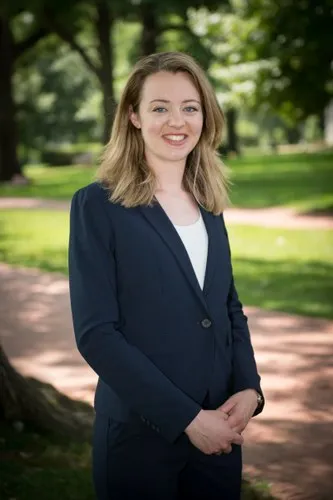
Angela He, who graduated from WashU in 2019 with an undergraduate degree in History, found a career path as a rare books librarian.
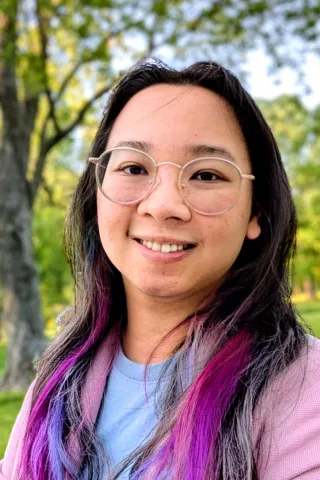
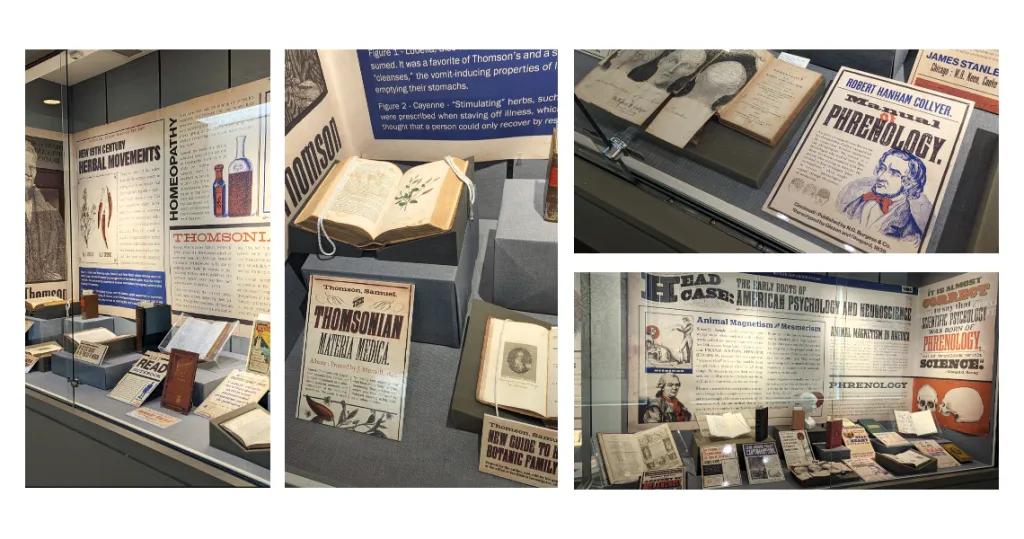
Angela He's path, like many others who study history, was not linear. Her time at WashU studying history inspired her to pivot from pursuing a degree in pre-law to focusing on libraries and special collections. Today, she works in the Bernard Becker Medical Library. She specializes in rare book collections and writes posts on archives and rare books.
What initially attracted you to study history?
With everything that’s been going on in the last decade, I wanted to understand how society got to where it is today. I appreciate learning about how various factors can impact events in the past and how smaller factors lead from event A to event B. Fundamentally, my love for stories about people and places and how they shape each other drew me into studying history.
How did your interests in history evolve during your time at WashU?
At first, I wasn’t sure what kind of history I wanted to focus on. My first two years were focused on the ancient world and the Middle Ages. I found myself gravitating towards American history in response to real-world events. Likewise, I also found myself more interested in the history of various marginalized groups, partly as a way of understanding my own identities. These interests culminated in my honors thesis work, which examined race relations and identity formation in 19th-century America.
Where did your education take you after graduation?
Getting a job as a student worker at Olin Library’s Department of Special Collections changed the trajectory of my career. I ended up pivoting away from the pre-law track and decided to pursue libraries and special collections as a career. I wanted to continue working with history and historical materials, but in a different manner from a history PhD.
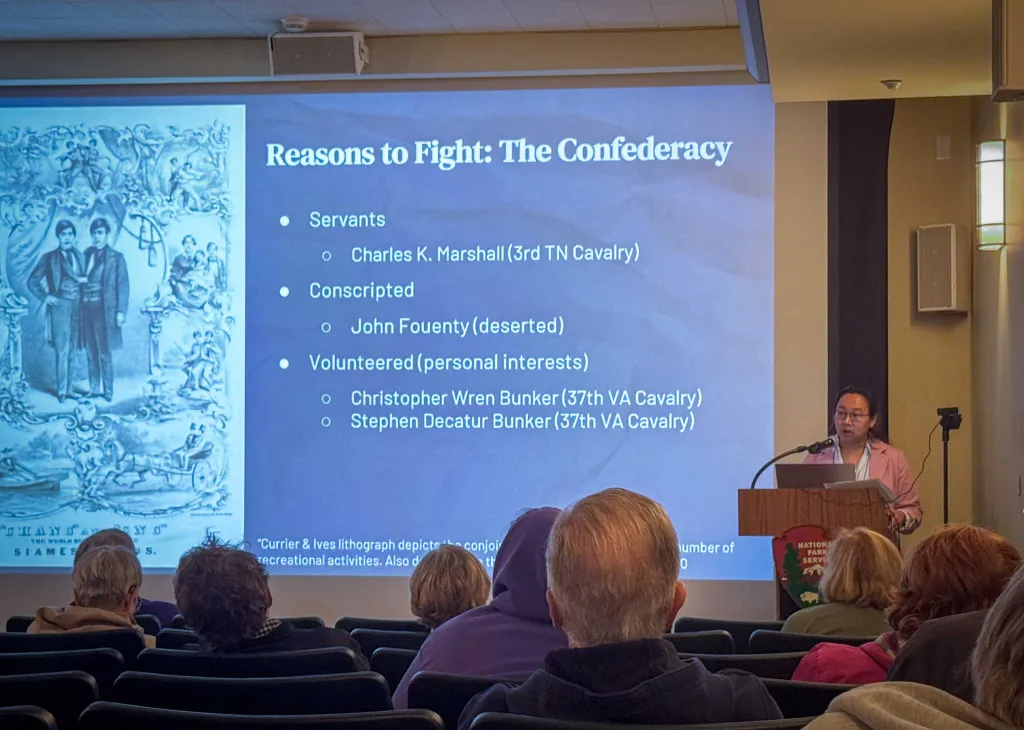
How has your background in history informed the way you approach your current work/studies?
My background in history has been valuable in almost every way when it comes to my current work. Knowing the social, cultural, and political factors affecting different countries and groups at given points in history helps inform my understanding of the rare books in Becker’s rare book collections, as well as the subject matter. Having studied history, I was able to come in with basic knowledge at the minimum on many subjects, which served as a good foundation for further studying and research.
What advice would you share with current students as they think about their career after graduation?
Be involved in your communities! People talk about the difficulties in creating and maintaining adult friendships once you’ve graduated from school, but these sorts of groups make it easier to maintain social connections. You get to meet people from all walks of life who have their own fascinating experiences, and you never know when those connections may be relevant. Whether it be for jobs, education, events, or something else, community involvement is a great way to cast a wide net for future opportunities.
LEARN MORE
Learn more about what you can do with a degree in history: What can you do with that history degree? Exploring the data
Learn more about studying history and why history matters from the American Historical Society.