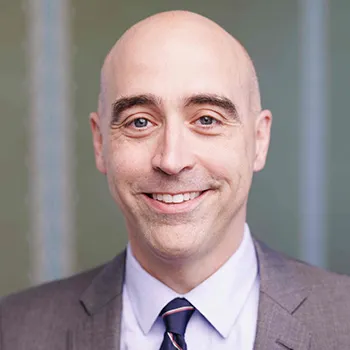
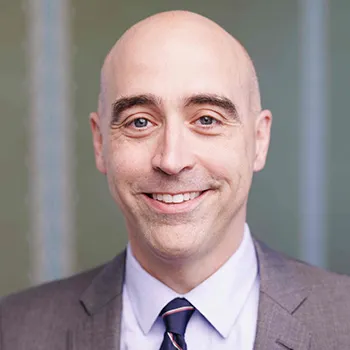
In this series, WashU History alumni reflect on their time in the program, the research that continues to inspire them, and the careers they have built since graduation. We're continuing this Q&A series with 2010 PhD Graduate, Kevin Butterfield. Butterfield is Acting Chief of the Manuscript Division in the Library of Congress.
What drew you to pursue a PhD in History at WashU, and what areas of research most inspired your work here?
After spending about five years working in academic publishing, working on other people’s books about history, I knew I wanted to find a way to write my own. Coming to WashU was a chance for me to learn the craft and the discipline of history from brilliant people who cared about both teaching as much as they did research and writing, which was exactly what I was looking for.
Tell us about your current work; what questions are you trying to answer, and why do they matter to you?
I now work at the world’s largest library, leading the Manuscript Division at the Library of Congress, where scholars from around the world are coming to do their work. I’m a historian surrounded by exceptional scholars and the immensely rich research collections that they’re coming to use. It’s wonderful.
What has your professional path looked like since completing your PhD?
After earning tenure at a flagship state university, I moved into the library world. For the last eight years, I’ve been a historian among archivists and librarians, working hard to preserve the historical record and to help other people with their research.
How did your time at WashU shape the way you approach research, teaching, or public engagement today?
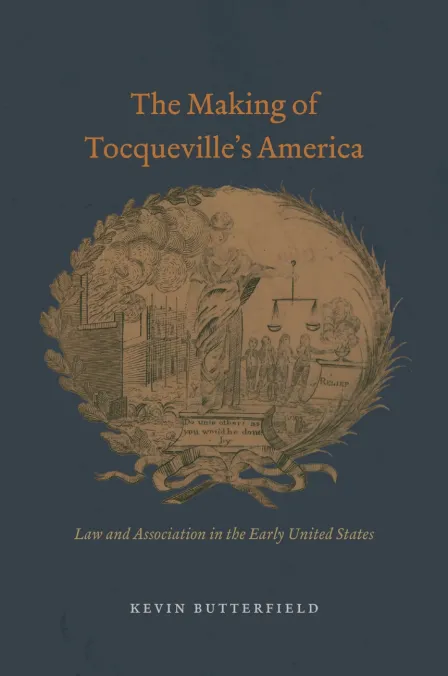
WashU’s History Department gave me the opportunity to both learn and teach. I had great support to write a dissertation I was proud of, one that became the basis of a prizewinning book on the history of American civil society. I had a mentor who taught me so much, about how to teach and how to do historical research, but who also gave me enough room to find out whether I could do those things myself.
If you’ve transitioned beyond academia, how have you applied your historical training in your current field?
I’m a historian among librarians and archivists, and almost every day I find ways that my perspective and training helps me to serve my institution well. I can understand what researchers want and what they can’t do without, because I spent so long on the other side of the reference desk myself.
What have been some of the biggest challenges or rewards in your career so far?
By far the biggest challenge was getting a job teaching history. WashU helped immensely, allowing me to write what I see in hindsight was an ambitious, somewhat sweeping dissertation that took some real chances. WashU also made it possible for me to design and teach my own upper-level course, one that I then taught every year while teaching U.S. history at a research university.
What advice would you share with current graduate students who are thinking about the next steps in or beyond academia?
Build strong relationships with the librarians, archivists, and curators whom you encounter in your research. It will help you more than you know with the project at hand. Those people are the stewards of the historical record, and someday you may find that you’re interested in doing what they do.
Finally, what advice would you give to those who are considering pursuing a PhD in History?
My advice is to find the right mentor. Other relationships will matter, and other faculty will shape your approach and your understanding of the past. But the one-on-one relationship between you and your dissertation advisor couldn’t be more important. You’ll never have another time in your career that is as formative and yet is as unstructured as this one. Find someone who can be a model for you as a teacher and as a practicing historian.
The History PhD Program at Washington University in St. Louis is celebrating its 100th anniversary in 2026!
Join us on September 19, 2026, from 9:15 a.m. to 4:30 p.m. as we celebrate a century of history, scholarship, and community.