
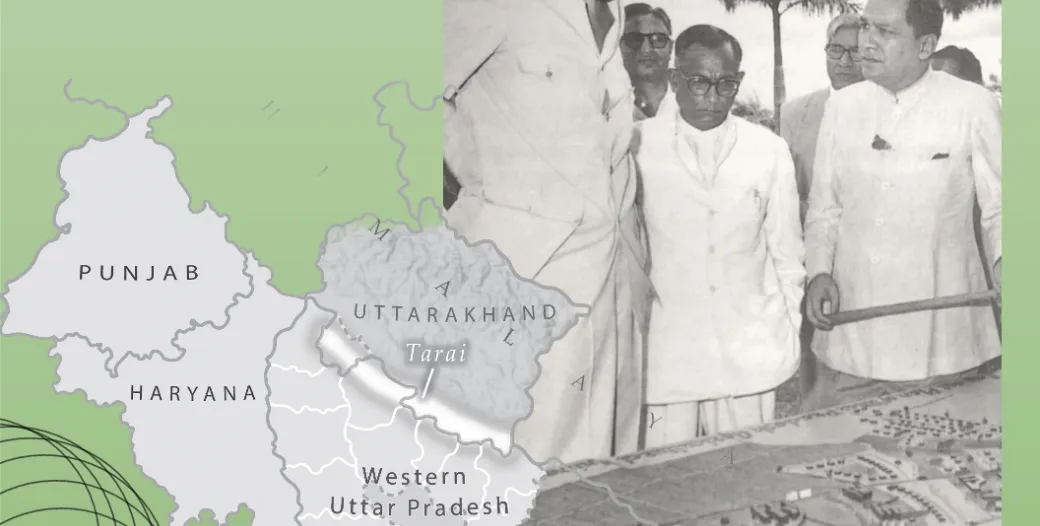
Landscapes of De-Circulation: Historical & Epistemic Breaks
The keynote speaker for this event will be Professor Prakash Kumar, Professor of History and Asian Studies at Pennsylvania State University.
Prakash Kumar is a Professor of History and Asian Studies at Pennsylvania State University. He received his PhD from Georgia Institute of Technology in 2004. He spent two years as a postdoc at Yale’s Program in the History of Science and Medicine, followed by a tenure at Colorado State University and joined Penn State in 2014. Kumar specializes in the fields of South Asian history and history of science, technology, and epidemics. His scholarship interrogates the nature of development and modernization in agricultural and rural societies on the one hand and in domains of diseases on the other hand. He examines these themes in the colonial and post-colonial history of India and in the dynamics of a US-dominated global order in the twentieth century.
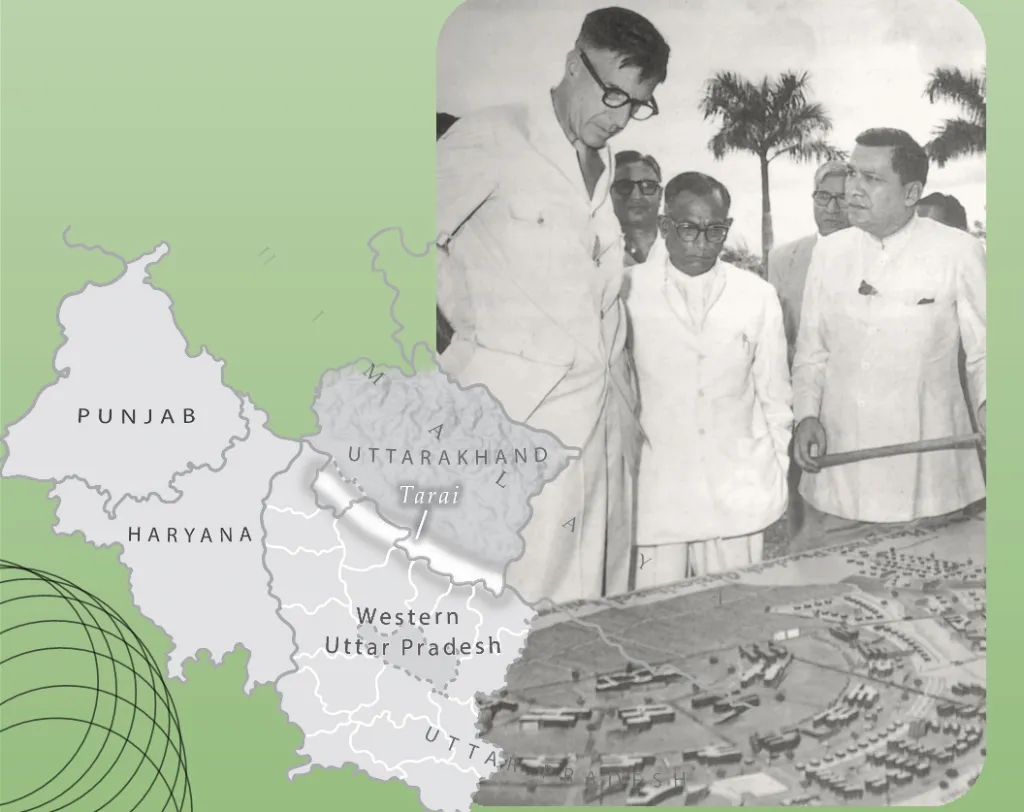
His first book, Indigo Plantations and Science in Colonial India (New York: Cambridge University Press, 2012), narrates a global history of plant indigo before and after1899 when a cheaper and purer synthetic indigo produced in the factories challenged agricultural indigo in the market. The book investigates spirited efforts made by scientists in colonial laboratories to analyze the nature of colonial science and claims about the “naturalness” of agricultural indigo. In a second book, A History of India’s Green Revolution: Reign of Technocracy (Cambridge: Cambridge University Press, 2025), Kumar unpacks the nation’s embrace of a practice of productive agriculture around high yielding variety seeds (or HYVs) in 1964-66 that were developed by Rockefeller’s breeders. The book embeds HYV agriculture and its cross-cutting imbrication with science and ecology in a deeper history of emergence of agrarian regions in colonial India and in post-colonial development that was inflected by partition and influx of refugees from Pakistan. Kumar’s third book is a co-authored edited volume on the global history of resources that comprises of fourteen chapters and will be published by De Gruyter Brill in 2026. Kumar is currently working on his fourth book project, which is a history of epidemics in the Bihar region of colonial India, circa 1860-1920 and explores the response of two categories of mobile subjects – pilgrims and plantation workers – to the colonial state’s disease mitigation measures.
Sponsored by:
History, East Asian Languages & Cultures, Global Studies, as well as by Center for the Humanities, WashU Libraries, and CRE2.